Asphalt Crack Sealing in Traverse City, MI for Driveways, Parking Lots & Private Roads

Request a quote today for asphalt crack sealing in Traverse City, Grand Traverse County, Leelanau County, Benzie County, and surrounding Northern Michigan areas.

Professional asphalt crack sealing on Hemingway Lane, an HOA road in Traverse City, MI. The image shows orange traffic control cones and the active application of hot rubberized crack sealer to maintain and protect the residential street.

Professional Asphalt Crack Sealing Services in Traverse City & Northern Michigan

At Grand Traverse Sealcoating & Striping, we provide professional hot rubber asphalt crack sealing for residential and commercial properties. Our process is built around proper cleaning, preparation, moisture removal, and accurate application using professional-grade equipment and 380-degree liquefied rubber so your cracks are sealed the right way for Northern Michigan conditions.

Whether you need driveway crack sealing in Traverse City, parking lot crack sealing, or proactive pavement maintenance for a private road or managed property, our goal is simple: stop water intrusion, slow deterioration, and extend the life of your asphalt investment.

Stop Water Intrusion
Reduce Freeze-Thaw Damage
Extend Pavement Life
Improve Appearance
Reduce Liability
Prevent Potholes
Prevented Problems

Why Asphalt Crack Sealing Matters in Traverse City & Northern Michgian

Cracks are the first warning sign that asphalt is starting to lose its defense against water, weather, and time. In Traverse City and across Northern Michigan, even small asphalt cracks can quickly grow into larger problems once water gets below the surface and freeze-thaw cycles begin to work against the pavement. That is why professional crack sealing is one of the smartest and most cost-effective ways to protect your asphalt before minor damage turns into potholes, broken edges, or expensive repairs.
In Northern Michigan, asphalt is constantly exposed to temperature swings, snow, ice, moisture, traffic, and natural aging. Those conditions make even small cracks more serious than they may appear. Left open, they invite water into the pavement system and create the perfect setup for freeze-thaw expansion, potholes, and early deterioration.
That is why crack sealing is not just a cosmetic service. It is a proactive maintenance step that helps keep good asphalt from becoming failed asphalt. Your PDF strongly supports this maintenance-first message and positions crack sealing as one of the best ways to protect asphalt surfaces across Traverse City and the surrounding region.

👉 Helps Stop Water from Getting Below the Surface

Water is one of asphalt’s biggest enemies. Once it enters through open cracks, it can begin softening the base, eroding support, and setting the stage for more severe pavement failure. Crack sealing helps close off those entry points before more damage develops.

👉 Helps Reduce Freeze-Thaw Damage

Northern Michigan weather puts cracked asphalt under constant stress. When water inside a crack freezes, it expands. As this cycle repeats, the crack widens and the pavement weakens. Proper crack sealing helps reduce that damaging cycle and preserve the surface longer.

👉 Helps Extend the Life of Your Asphalt

Addressing cracks early helps keep your driveway, parking lot or private road serviceable longer and can delay more invasive and expensive repair or replacement work.

👉 Helps Improve Appearance

Cracked pavement looks neglected. Professional crack sealing gives asphalt a more maintained appearance and helps restore a cleaner, better-cared-for look to the property.

👉 Helps Reduce Liability and Future Repair Costs

Cracks can create hazards for both vehicles and pedestrians. Crack sealing is a cost-effective solution because it helps reduce the likelihood of more expensive repairs later while helping minimize risk on the property today.


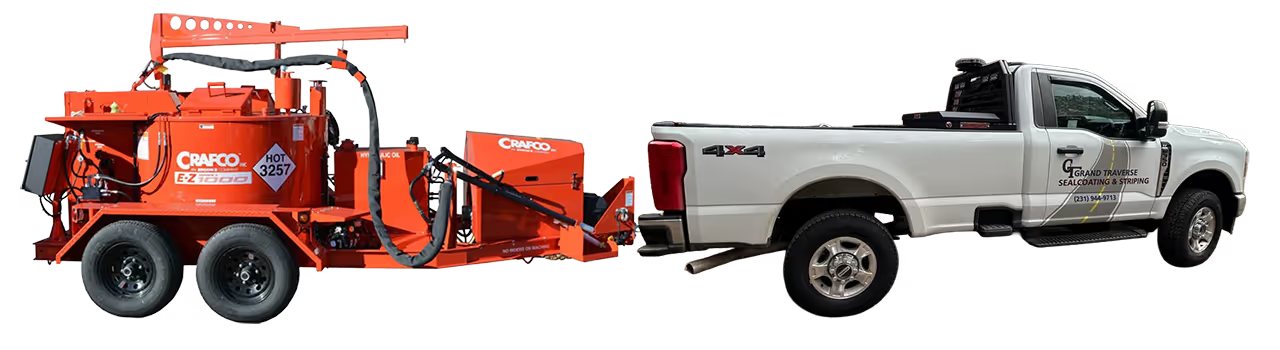
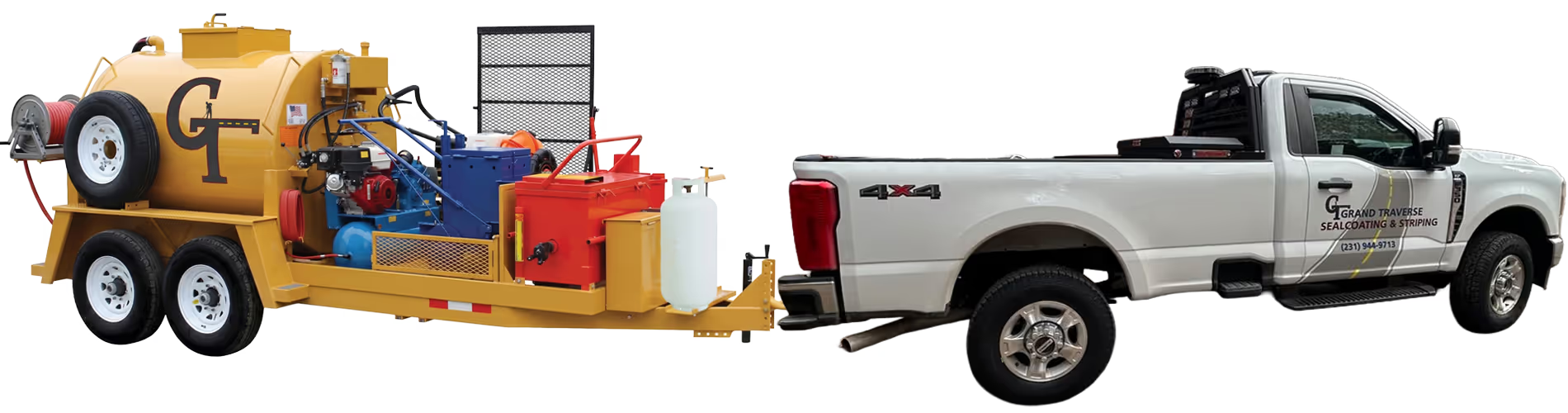
Grand Traverse Sealcoating & Striping mobile asphalt repair unit equipped with a Crafco hot rubber crack sealer for high-durability infrastructure maintenance in the Grand Traverse region.

Our Asphalt Crack Sealing Services

⭐ Driveway Crack Sealing

We provide driveway crack sealing for homeowners throughout Traverse City and Northern Michigan who want to protect their asphalt before small cracks become larger failures. This service helps preserve curb appeal, defend the surface from water intrusion, and reduce the risk of future pavement damage.

⭐ Parking Lot Crack Sealing

Commercial parking lots take daily abuse from traffic, turning movements, weather, and surface wear. Crack sealing helps businesses protect their pavement, maintain a safer and more professional-looking property, and reduce the long-term cost of parking lot deterioration.

⭐ Private Road Crack Sealing

Private roads and HOA communities see steady wear from residents, guests, delivery vehicles, maintenance trucks, snowplows, and Michigan freeze-thaw cycles. Crack sealing helps protect shared pavement, improve curb appeal, reduce water damage, and extend the life of private roads, condo drives, and neighborhood asphalt before small cracks turn into larger repair costs.

Stop Water Intrusion
Reduce Freeze-Thaw Damage
Extend Pavement Lfie
Improve Appearance
Reduce Liability
Prevent Potholes
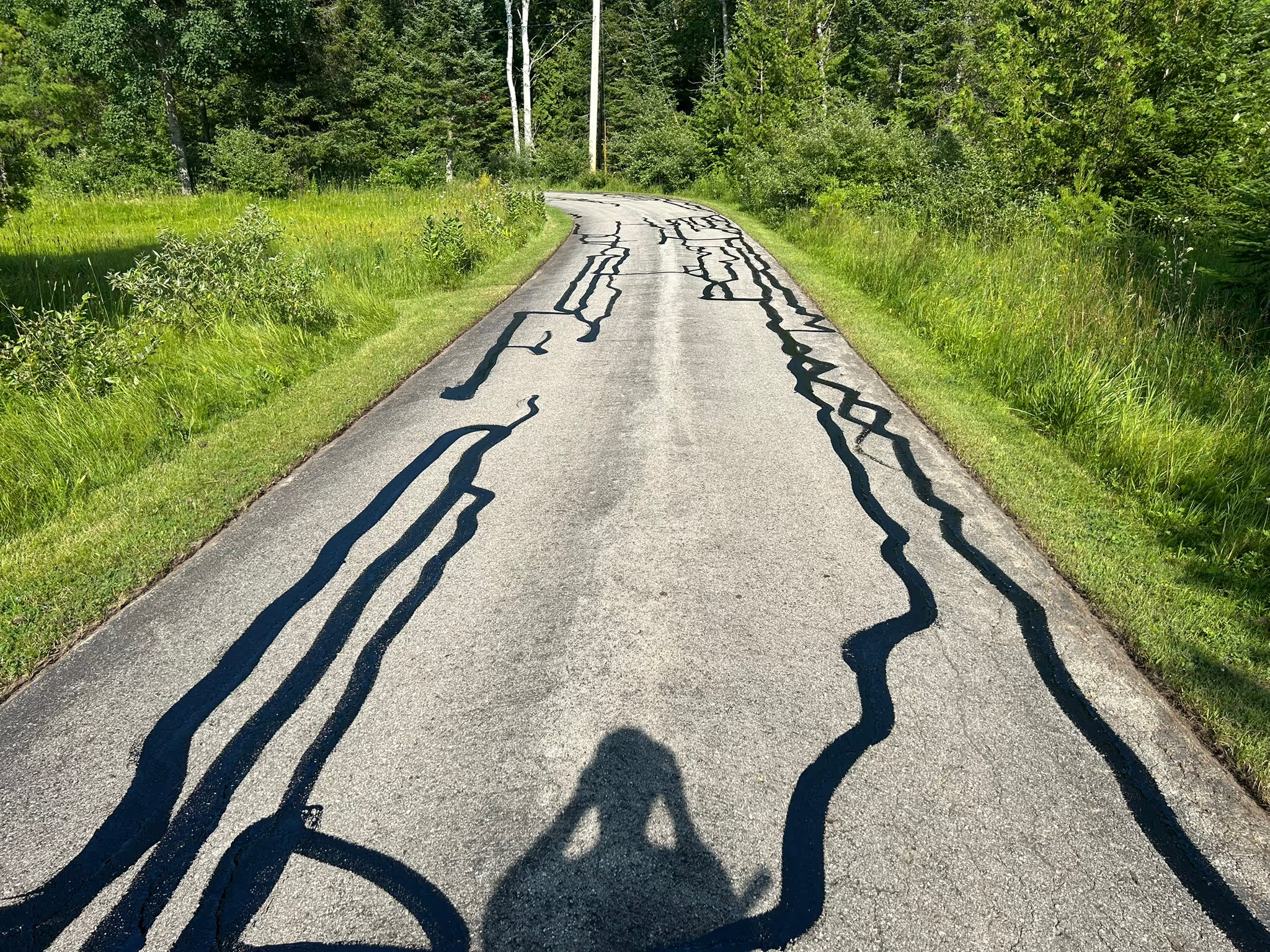
A finished view of a private residential asphalt driveway in a Northport, Michigan HOA, perfectly edged with all cracks professionally sealed to prevent water penetration on a Lake Michigan/Grand Traverse Bay property.
Our Process

What Makes Our Crack Sealing Different

👉 Professional Crack Cleaning

We do not simply pour filler into dirty cracks. Our process begins with proper crack preparation, including removing vegetation, dirt, and debris using professional tools and methods.

👉 Moisture Removal with Heat Lances

Moisture can ruin adhesion. That is why heat lances are used where needed to dry moisture-prone cracks before the sealant is applied. This step helps improve bond strength and long-term performance.

👉 380-Degree Deery Hot Rubber Sealant

We use Deery 380-degree liquefied rubber, a professional road grade hot rubber material chosen for effective asphalt crack sealing. This type of material is designed to perform better than low-grade, short-term filler products.

👉 Industry-Grade Equipment and Techniques

We use specialized equipment and industry-grade application methods designed for Northern Michigan’s harsh weather conditions, helping ensure a stronger, longer-lasting crack seal.

Our Step-by-Step Asphalt Crack Cleaning and Sealing Process

Step 1
Asphalt Crack Assesment

Every job starts with an inspection. We identify which cracks (1/8" - 1" Wide) need treatment and evaluate the overall condition of the asphalt so the sealing process is targeted, efficient, and effective.

Step 2
Asphalt Crack Preperation

Preparation is everything, debris, dirt, weeds, vegetation, and moisture are removed from the cracks before sealing. We use power wire brushes and, where needed, heat lances to prepare the crack for proper adhesion.

Step 3
Hot Rubber Preparation

The crack sealer must be heated to the proper working temperature (380 Degrees) so it flows correctly  and creates a strong bond to the asphalt to ensure lasting effectiveness.

Step 4
Asphalt Crack Sealing

Once the cracks are fully prepared, we apply the hot rubber crack sealer using specialized equipment to ensure complete and accurate coverage. The goal is to fully seal the crack and help protect the pavement from continued deterioration.

Northern Michigan Tested

Why Our Crack Sealing Process Matters

A crack is only as well sealed as it is prepared. If dirt, weeds, moisture, or loose debris are left inside the crack, the sealant may not adhere properly. That is why at Grand Traverse Sealcoating & Striping we place a strong emphasis on cleaning, drying, and proper prep before any hot rubber is applied.

This matters even more in Northern Michigan, where moisture and freeze-thaw stress are constant threats. A rushed application may temporarily cover a crack, but a properly prepared crack sealing job is far more effective at helping preserve the pavement and extend its life.

Our Porven Crack Sealing Process is Best For:

✅ Asphalt driveways, private roads, and parking lots with open surface cracks
Preventing water from entering the pavement and base layer
✅ Extending the life of asphalt before cracks turn into potholes or larger failures
✅ Protecting pavement that is still structurally sound but starting to show age.

Crack Sealing May Not Be Enough For:

❌ Asphalt with deep structural failure
Soft spots, sinking, or base movement
❌ Large potholes or broken pavement sections
❌ Severely alligatored asphalt with widespread cracking
❌ Drainage-related failures or areas where water is sitting under the pavement

⭐ The Benefits of Hot Rubber Asphalt Crack Sealing

The Main Hot Rubber Crack Sealing Benefits Include:

✅ Better protection agaisnt water intrusion.
Reduced damage from freeze-thaw expansion
✅ Longer pavement life
✅ Better long-term valvue comapred with waiting for bigger repairs
✅ A cleaner, more maintained appearance

For property owners comparing maintenance options, hot rubber crack sealing is one of the smartest ways to preserve asphalt before the damage becomes more expensive to correct.

Why Asphalt Crack Sealing is More Cost-Effective Than Waiting

Crack sealing is one of the most effective preventative maintenance services for Northern Michigan asphalt. By sealing cracks before water, ice, and debris can work their way below the surface, you help slow deterioration, protect the foundation, and reduce the need for more expensive repairs later. When the asphalt is still stable, crack sealing is a smart way to extend pavement life and get more years out of your driveway, private road, or parking lot.

10+
Years of experience
4.9/5
Regional Trust Rating
7K+
Asphalt Surfaces Protected
2
Year Workmanship Warranty
Asphalt sealcoating financing options in Traverse City, Michigan, showing Wisetack monthly payment plans on a smartphone next to a project invoice.

Flexible 12-Month 0% Interest Financing

We make it easier to protect your asphalt investment with 12-month 0% interest financing. You can apply right from your quote, review your options, and choose the payment plan that works best for your budget.

✔️ Apply directly from your quote
✔️ 12-month 0% interest financing
✔️ Straightforward online process
✔️ Review options before moving forward
✔️ Budget-friendly payment flexibility
✔️ Get your project completed sooner

New Asphalt Maintenance Tips

Stay inspired with expert tips, design trends, and maintenance guides. Explore how to enhance your pool experience and keep it in pristine condition year-round.

Save Energy with Smart Pool Tech · Ecofriendly

Discover how smart pool technology can help you save energy and reduce costs while enjoying your pool.

Read this article

Turn Your Backyard into a Luxury Spa

Learn how to create a relaxing spa-like atmosphere in your backyard with essential features and design tips.

Read this article

Deery Super Stretch | Our Trusted Hot Rubber Crack Sealing Material

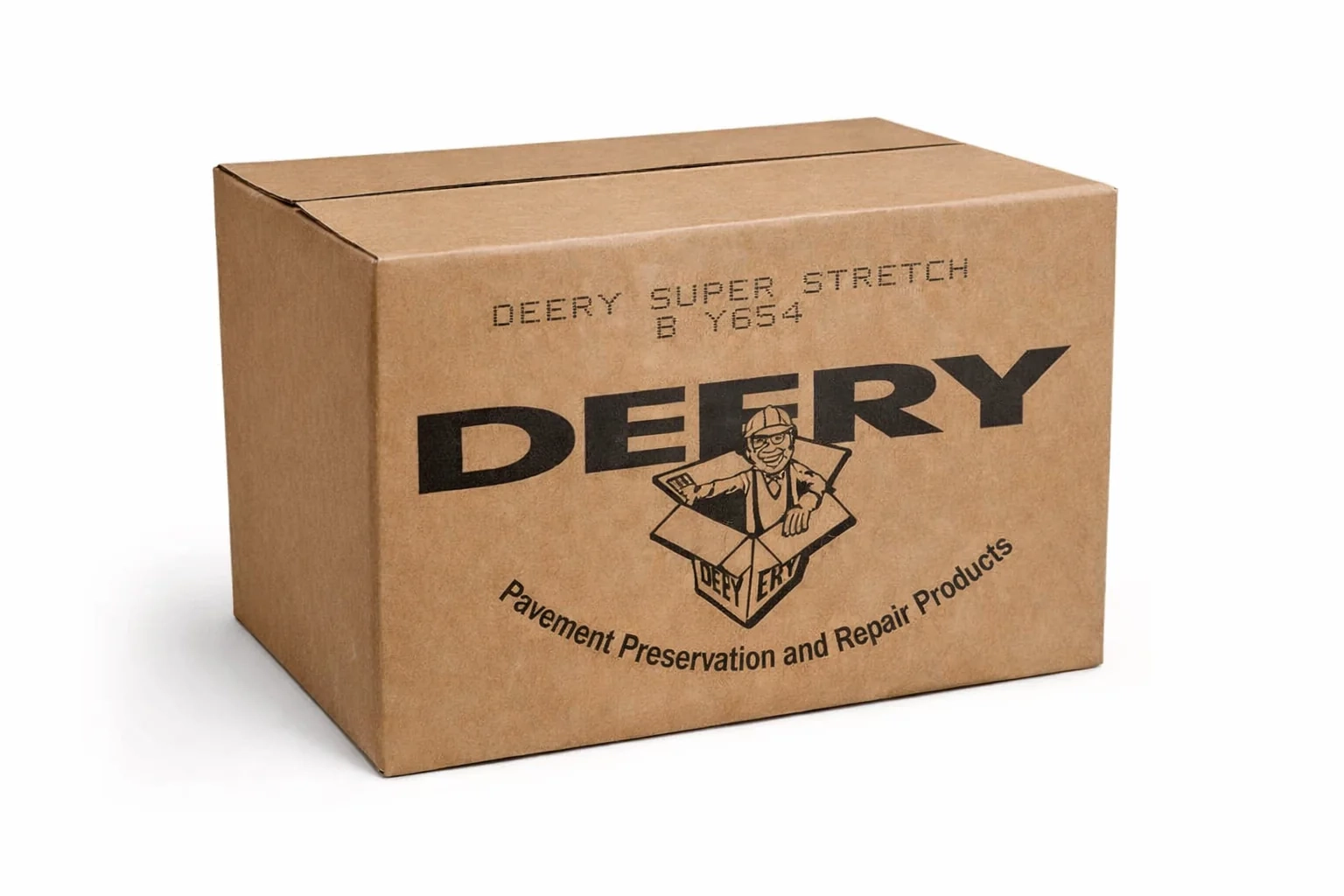
Deery Super Stretch asphalt crack sealer logo, representing the professional-grade hot-applied rubberized sealant used for high-performance pavement repairs in Traverse City and Northern Michigan.

Built for Northern Michigan’s freeze-thaw cycles, winter salt, and year-round pavement movement.We use DEERY Super Stretch Hot Rubber Crack and Joint Sealant, a premium hot-applied crack sealing material designed for long-lasting pavement protection. This professional-grade sealant is made with high-quality synthetic elastomers, polymers, antioxidants, asphalt plasticizers, and reinforcing materials to create a flexible, waterproof seal that moves with the pavement.

Because Northern Michigan asphalt expands and contracts through hot summers, freezing winters, snowplowing, and heavy salt exposure, using the right crack sealing material matters. DEERY Super Stretch is tested for low-temperature flexibility down to -20°F, making it a strong choice for driveways, private roads, HOA roads, commercial parking lots, municipal streets, and other asphalt surfaces exposed to harsh weather.

Why we use DEERY Super Stretch:

✅ Municipal-grade hot-applied rubberized crack sealant
✅ Designed to remain flexible as asphalt expands and contracts
✅ Salt resistant for Northern Michigan winter conditions
✅ Tested for low-temperature flexibility down to -20°F
✅ Fast curing, with a maximum cure time of approximately 30 minutes
✅ Suitable for parking lots, streets, driveways, and runways

Using a high-quality hot rubber crack sealant helps create a stronger barrier against water, ice, salt, and debris — giving your asphalt better protection before cracks turn into potholes, base damage, or larger repair needs.

Residental Driveway, Commerical Parking Lot & Private Road Asphalt Crack Sealing Services

We provide asphalt crack sealing services for a wide range of properties, including:

✅ Residential driveways
✅ Vacation homes and second properties
✅ Apartment and condo communities
✅ Commercial parking lots
✅ Retail and office properties
✅ Private roads and lanes
✅ Managed properties and investment properties

Whether you need driveway crack sealing in Traverse City or hot rubber crack sealing for a commercial lot, private road, or HOA community in Northern Michigan, we tailor the crack sealing process to the condition of the pavement and the long-term goals for the property.

Service Area for Asphalt Crack Sealing

We provide asphalt crack selaing services in Traverse City, MI and surrounding counties, including:

✔  Grand Traverse County
✔  Leelanau County
✔  Benzie County
✔  Kalkaska Couny
✔  Antrim County
✔  Wexford County
✔  Manistee County

If you are searching for asphalt repair near me, asphalt driveway repair in Traverse City, pothole repair in Traverse City, or infrared asphalt repair in Northern Michigan, our team is ready to help.

Hot rubberized asphalt sealant pouring from a RynoWorx 30-gallon stationary melter into a Gingway M10 applicator on W Woods Dr near Empire, MI. Features steam rising from the 400°F material prepped for industrial-grade crack sealing.

Let’s Protect Your Asphalt Before Cracks Turn Into Costly Repairs

If your driveway, parking lot, or paved surface has visible cracks, now is the time to address them before water and weather turn them into a bigger problem. Grand Traverse Sealcoating & Striping provides professional hot rubber crack sealing in Traverse City and throughout Northern Michigan with a prep-focused process designed to protect asphalt and extend pavement life.

Contact us today to request a quote for driveway crack sealing, parking lot crack sealing, or private road crack sealing.

Frequently Asked Questions About Asphalt Crack Sealing.

Investing in your asphalt shouldn't be a guessing game. We’ve compiled the most frequent questions from property owners across Northern Michigan to help you make the best decision for your asphalt driveway, parking lot, or private drive.

What size asphalt cracks can be fixed?

Asphalt cracks must fall within the "Maintenance Window." At Grand Traverse Sealcoating & Striping, we follow a strict "1/8 to 1-Inch Rule" to ensure your asphalt survives the Northern Michigan freeze-thaw cycle.

1. The Lower Limit: Cracks Smaller Than 1/8”
Cracks less than an 1/8-inch wide are too narrow for 380° hot-rubberized sealant to penetrate. Because the rubber cannot get deep enough into the crack to "grip" the sidewalls, it sits on the surface. On a hot Traverse City summer day, vehicle tires can actually stick to this surface-level rubber and pull it right out of the crack. For these hairline fractures, our SafeSeal™ topcoat is the best defense, providing a topical seal to keep moisture out.

2. The Upper Limit: Cracks Wider Than 1” (Structural Failure)
If a crack has opened wider than one inch, it is no longer a maintenance issue—it is a structural failure. At this width, the asphalt or the gravel sub-base beneath it has likely been compromised. Filling a 1-inch+ gap with rubber is a "band-aid" fix; the sealant will eventually sink and fail as the ground moves.

The Solution:
These areas require a professional "Remove and Replace" repair. We saw-cut the failed section, remove the debris, and install fresh, hot-mix asphalt to restore the structural integrity of your surface.

3. The "Goldilocks Zone": 1/8” to 1”
This is where our Deery Super-Stretch hot rubber shines. Within this range, the sealant can properly bond to the asphalt, remaining flexible enough to expand and contract during extreme temperature swings without losing its grip.

What is the difference between asphalt crack sealing and crack filling?

Asphalt crack sealing uses flexible 380° liquified hot-rubberized materials designed for "working" cracks that expand and contract with temperature swings (ideal for Northern Michigan's freeze and thaw cycles), while crack filling is a more rigid, temporary fix for stable cracks.

Why is asphalt crack sealing necessary?

Asphalt crack sealing prevents water from penetrating the asphalt base. If left unsealed, water will cause heaving, potholes, and base erosion.

Why do my driveway cracks keep coming back every spring?

Professional hot-rubberized crack sealing typically lasts 2 to 3 years and is considered a routine maintenance item. If cracks reappear within a single year, it is usually due to improper cleaning before installation, moisture trapped in the crack during application, or the use of "Cold Pour" DIY fillers which lack the pliability to survive Michigan winters.

3 Reasons Your Crack Sealant Might Be Failing

1. Professional Maintenance vs. "Forever" Fixes
Crack sealing is a routine maintenance item, much like changing the oil in your vehicle. Because asphalt is flexible and moves with the ground, a professional seal typically has a lifespan of 2–3 years. You may occasionally see a "hairline split" on the surface of the sealant; in many cases, the crack is still successfully bonded and sealed underneath, even if the top surface looks slightly separated.

2. Poor Preparation & Moisture If your driveway was professionally sealed and the cracks reopened within just one season, the culprit is almost always improper installation.Debris: If the crack wasn't cleaned thoroughly with high-pressure air or a heat lance, the rubber bonds to the dirt rather than the asphalt.Moisture: If there was even a hint of moisture inside the crack when the 380° hot rubber was installed, the sealant will not bond, causing it to "pop" out once the temperature drops.

3. The "Cold Pour" Trap (DIY vs. Pro) Many homeowners attempt to fix cracks using "Cold Fill" products from big-box stores.DIY Cold Filler: Usually requires being redone every 6–12 months. It dries hard and brittle, meaning it cannot expand and contract when the ground freezes.

How long does asphalt crack sealing last?

In Northern Michigan, a professional crack sealing application typically lasts 2 to 3 years. Because our 45th-parallel climate is defined by extreme freeze-thaw cycles, asphalt is in a constant state of expansion and contraction. Over time, these movements naturally widen cracks, eventually requiring a fresh application of hot-rubber sealant to maintain the structural integrity of your pavement.

The "Hairline Crack" Explanation:
It is common to notice a small hairline crack appearing across the top of the sealant after the first year. This does not mean the seal has failed.

Here is why your pavement is still protected:

1. Deep-Rooted Protection:
While UV rays and weather can wear down the very top layer of the rubber, the sealant remains firmly bonded deep within the crack. It continues to act as a watertight plug, preventing rain and snowmelt from washing out or eroding your critical gravel sub-base.

2. Expansion & Elasticity: Even if a tiny amount of water sits in that surface-level hairline crack, our contractor-grade hot applied rubber provides the "give" needed for that water to freeze and expand without further damaging the surrounding asphalt.

3. Aesthetic vs. Functional: That surface line is a natural reaction to UV exposure and the shifting ground from freeze and thaw cycles. As long as the rubber is still adhered to the sidewalls of the crack, your asphalt's foundation remains safe from the erosion that leads to potholes and sinkholes.

Will I still see the cracks after my asphalt driveway is sealcoated?

Yes. It is important to remember that sealcoating is a preservative, not a resurfacer. While our process will significantly improve the aesthetic of your pavement, it will not make cracks invisible.

Here is what you can expect visually:

The "Overband" Effect:
When we seal a crack with our 380° hot-rubber, we apply a 4-inch wide "band" over the top of the crack. This creates a watertight gasket. While the jet-black SafeSeal™ helps this blend in, the texture of the rubber band will still be slightly visible under the sealcoat. This band is your primary defense against water penetration.

Hairline Cracks (<1/8"):
As discussed under, what size asphalt cracks can be fixed, hairline cracks are too small to accept hot-rubber. We apply sealer over these areas, but as the sealer dries, it naturally shrinks. This shrinkage means the outline of the hairline crack will still be visible. However, the sealer has coated the sidewalls of that crack, protecting the asphalt from moisture and further oxidation.

Settling & Sinking:
On larger cracks (approaching 1" in width), you may notice the rubber sealant "sinking" slightly into the void. This is completely normal. Our contractor-grade rubber is designed to be highly flexible so it can survive Northern Michigan’s intense freeze-thaw cycles. On hot summer days in direct sunlight, the rubber becomes more pliable to allow for pavement expansion, which can lead to minor settling.

Can crack sealing help prevent potholes?

Yes, crack sealing can help reduce the chance of potholes by stopping water from getting into the pavement system. It will not fix an existing pothole, but it is one of the best preventative services for helping keep cracks from turning into larger failures.

When should asphalt cracks be sealed?

Cracks should be sealed before they widen, allow more water into the pavement, or turn into larger failures. A good rule of thumb is to schedule crack sealing when the cracks are wider than 1/8 inch or when you can clearly see open surface cracks forming in the pavement.

If existing crack sealer is still in place but you can see new cracking, separation, gaps, or exposed openings around it, that is a sign the seal may no longer be fully protecting the asphalt. Once water can get into those cracks, Northern Michigan’s freeze-thaw cycles can cause the pavement to expand, shift, and break down faster.

The earlier cracks are addressed, the better chance you have of protecting the asphalt base, slowing deterioration, and avoiding more expensive repairs later. Crack sealing is most effective when the pavement is still structurally sound and the cracks are treated before they turn into potholes, alligator cracking, or larger pavement failures.