Asphalt Repair in Traverse City, MI for Driveways, Parking Lots & Private Roads

Request a quote today for asphalt repair in Traverse City, Grand Traverse County, Leelanau County, Benzie County, and surrounding Northern Michigan areas.

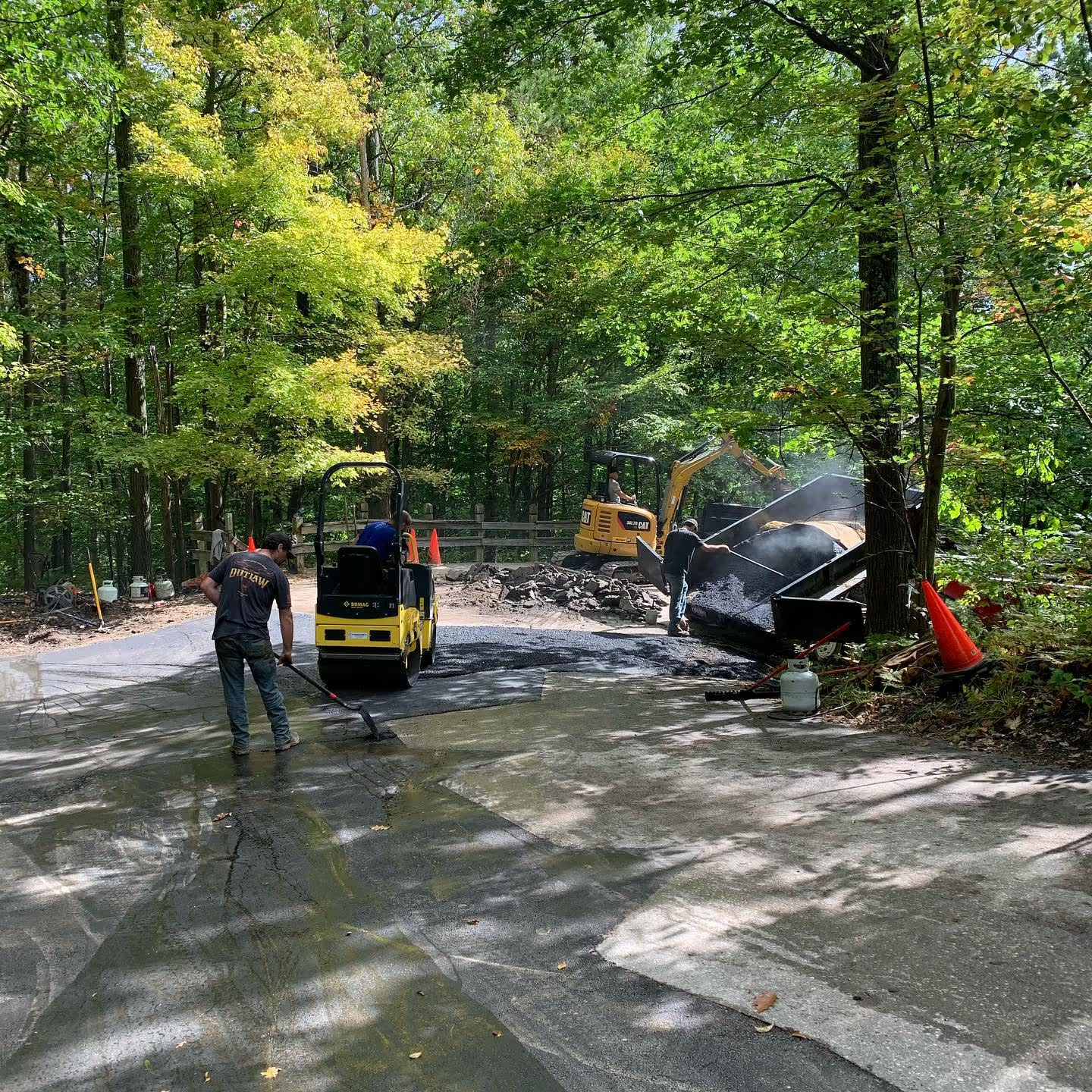
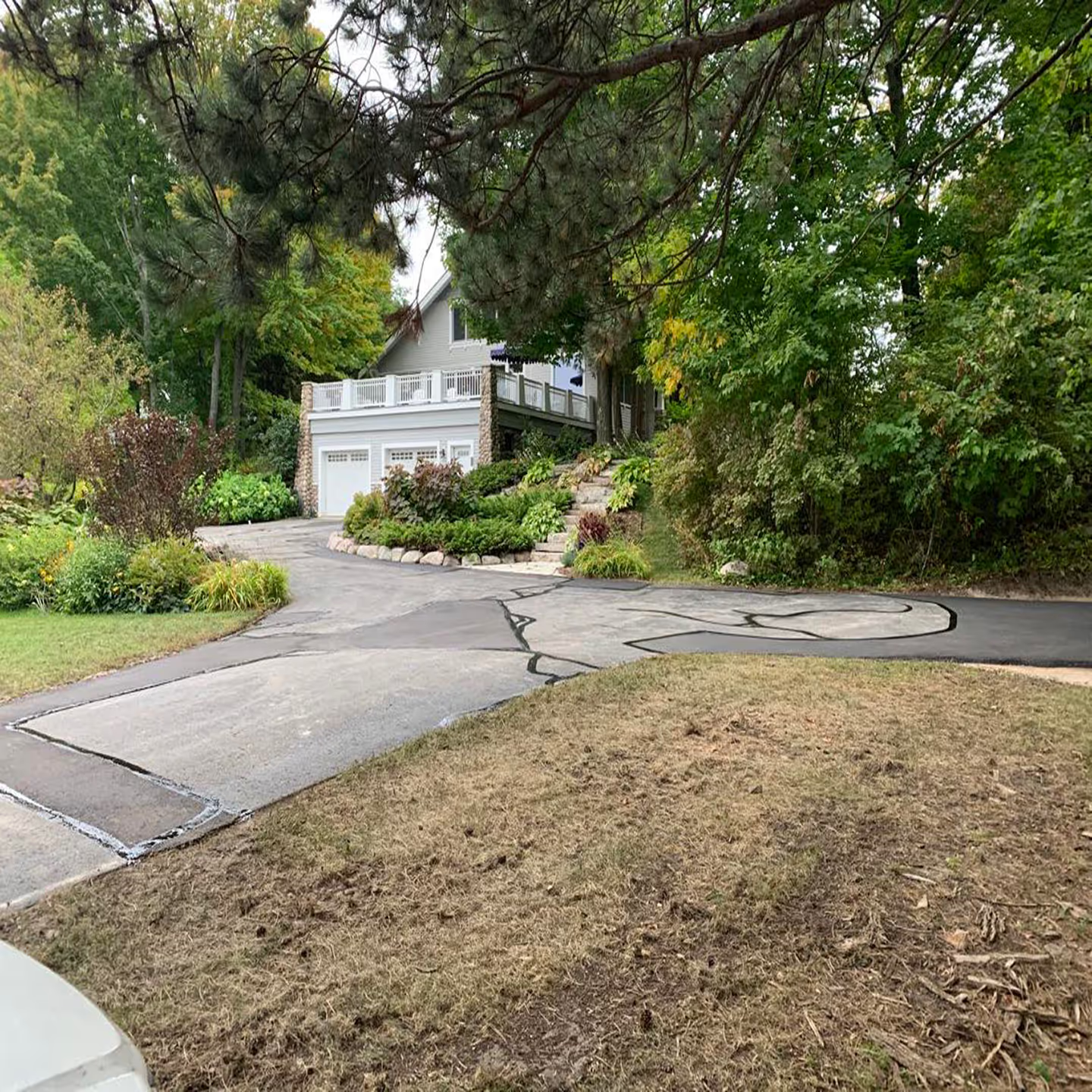
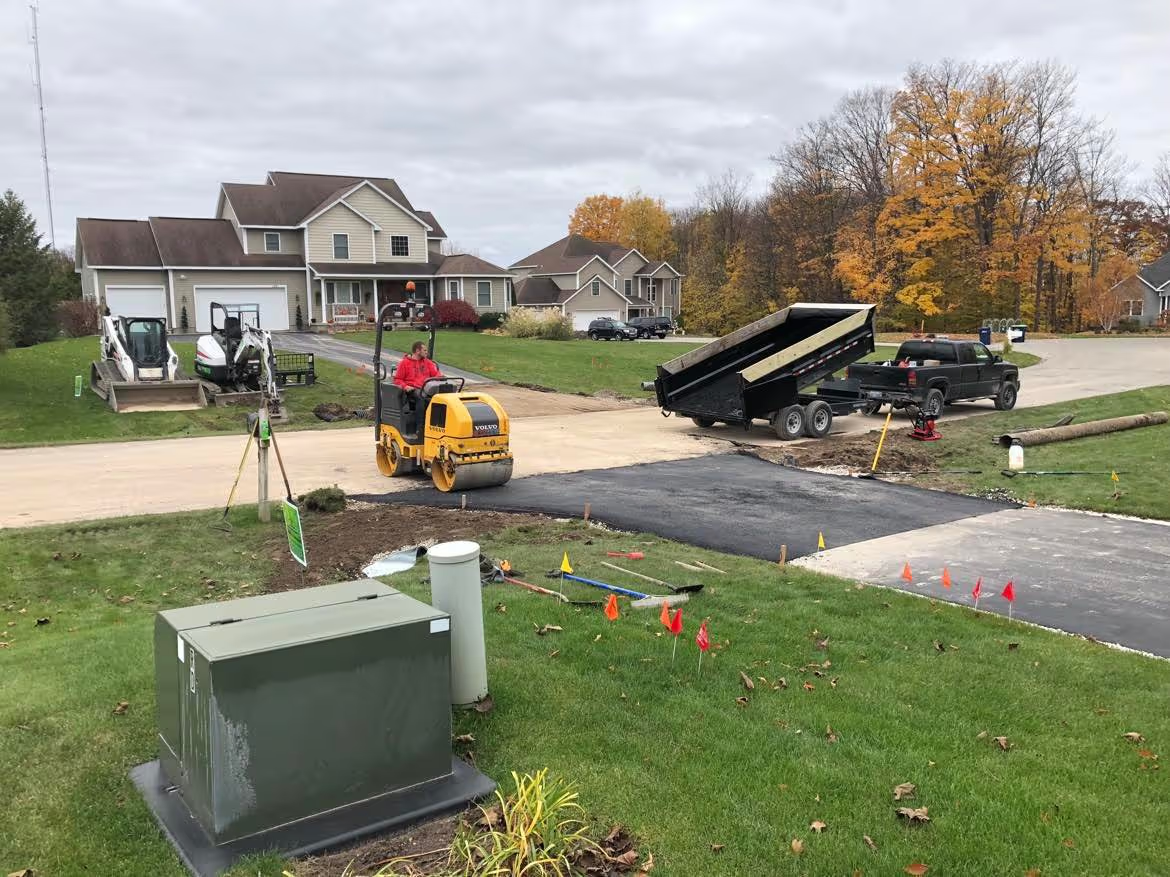
Professional private road asphalt maintenance and repair for the Pinnacle Place Association at The Homestead in Glen Arbor, Leelanau County, Michigan.

Professional Asphalt Repair Services in Traverse City & Northern Michigan

If your asphalt surface is cracking, crumbling, sinking, or developing potholes, timely repair matters. Waiting too long often allows water to move below the surface, weaken the base, and turn a smaller repair into a more expensive one. Our asphalt repair services are designed to correct damaged areas before they spread and before they create a bigger safety, drainage, or liability issue.

We repair residential driveways, commercial parking lots, private roads, access lanes, and other paved asphalt surfaces. From isolated potholes to broader areas of alligator cracking or structural failure, we help property owners choose the right repair approach based on the condition of the pavement, the depth of the damage, and the long-term value of the repair.

Seamless Infrared Repaiir
Cut & Replace Asphalt Repair
Water-Assisted Cutting (No Dust)
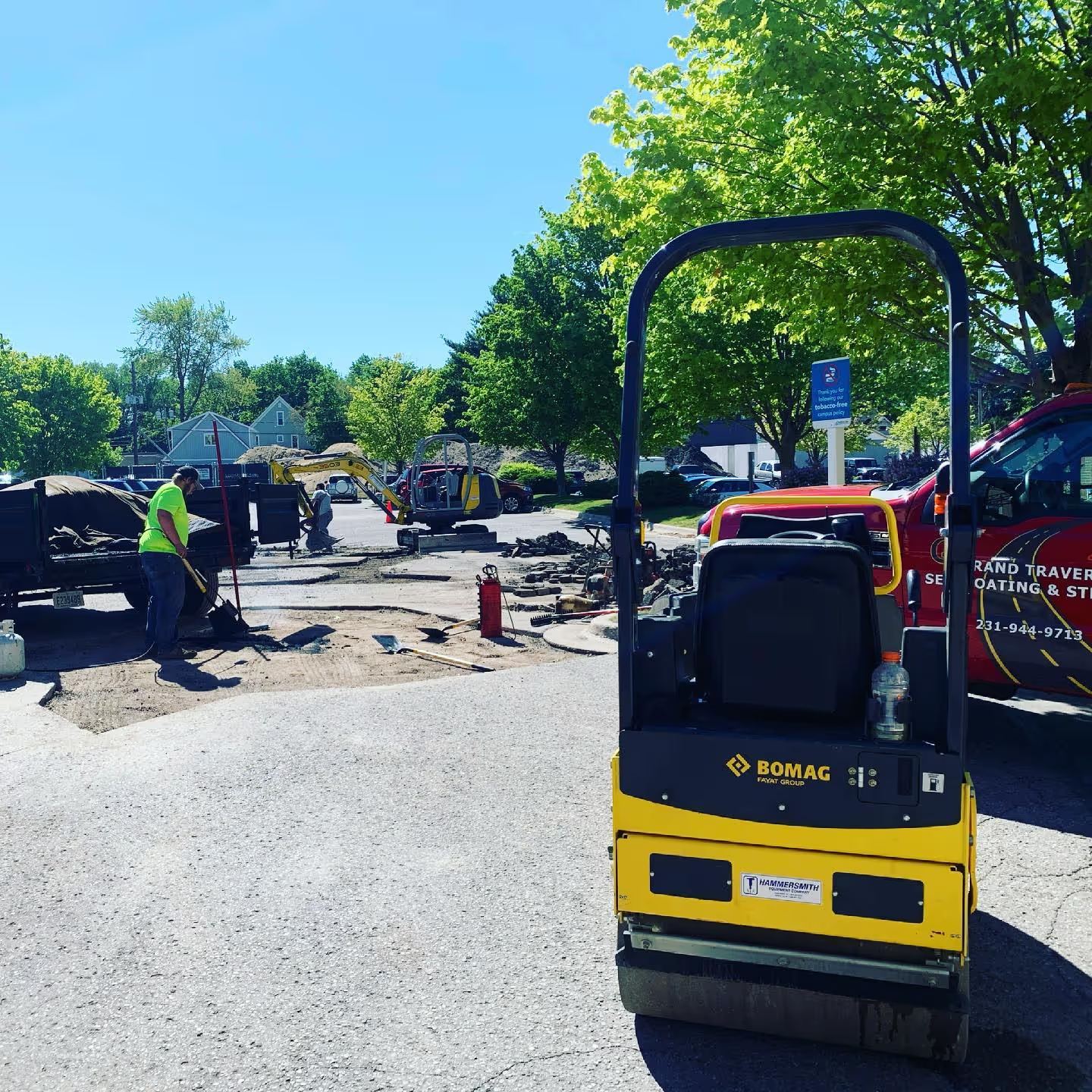
HOA's & Private Roads
Commerical Parking Lots
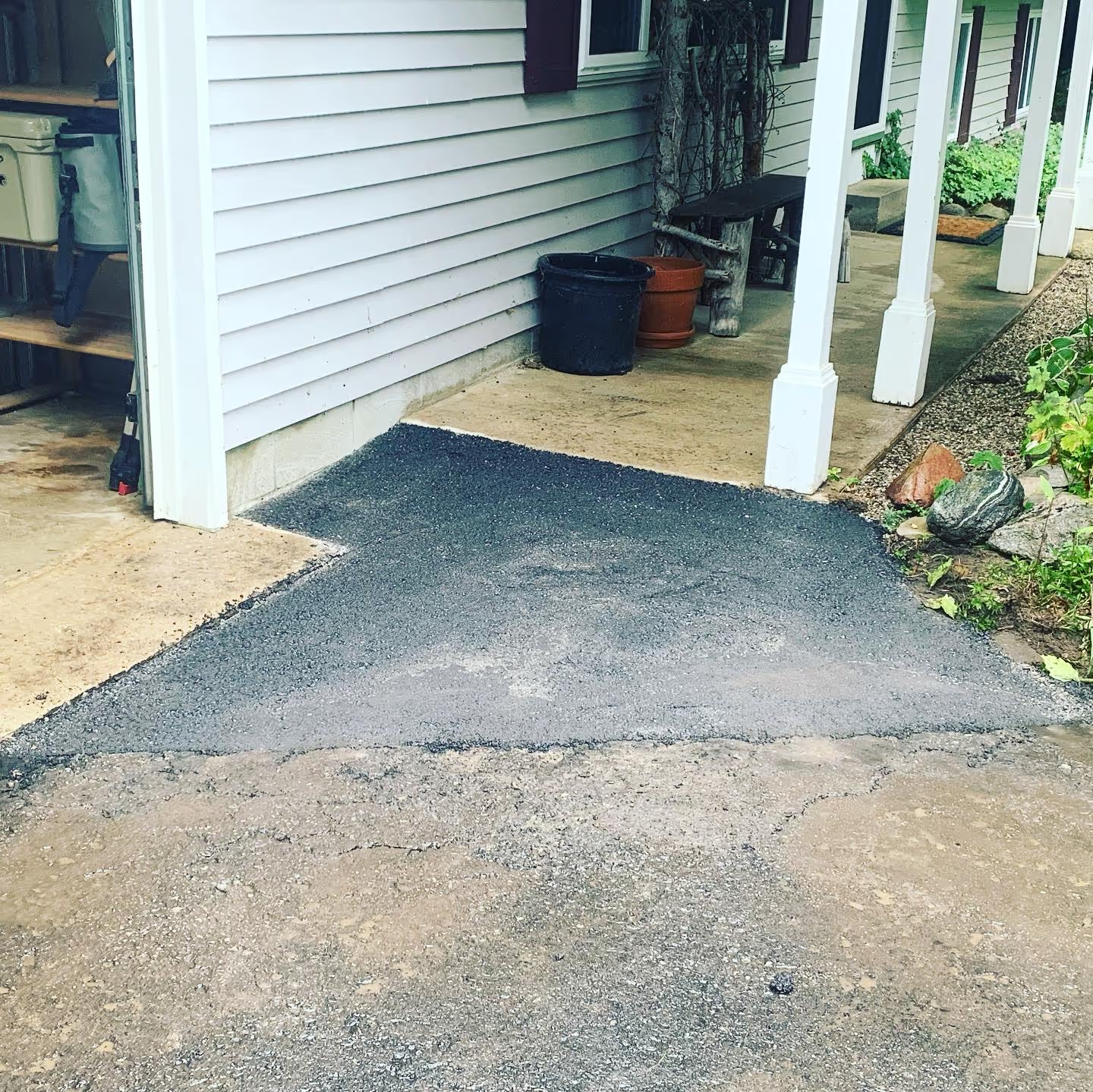
Residential Driveways
Featured Services

Common Asphalt Problems We Repair

In Traverse City and throughout Northern Michigan, freeze-thaw cycles, water intrusion, sun exposure, and daily vehicle traffic can quickly turn minor cracks into potholes, soft spots, trip hazards, and larger pavement failures.
At Grand Traverse Sealcoating & Striping, we provide professional asphalt repair services for residential and commercial properties, including pothole repair, asphalt patching, full-depth asphalt repair, and infrared asphalt repair.
Whether you need asphalt driveway repair in Traverse City, asphalt parking lot repair, or targeted pothole patching before the damage spreads, our team focuses on fixing the root problem, restoring safety, improving appearance, and helping extend the life of your pavement.

👉 Asphalt Parking Lot & Driveway Pothole Repair

Potholes are one of the most common signs of asphalt failure in Northern Michigan. They often begin when water enters cracks, weakens the base below the asphalt, and the surface collapses under traffic. We repair potholes by removing unstable material, rebuilding the base if needed, and installing properly compacted new asphalt.

👉 Asphalt Alligator Cracking and Spider Cracking Repair

Alligator cracking, sometimes called spider cracking, is a pattern of interconnected cracks that usually points to deeper pavement stress or a failing base. These areas often need more than a surface fix. We evaluate the extent of the damage and recommend either full-depth repair or infrared asphalt repair, depending on the condition of the surrounding pavement.

👉 Sunken Spots and Depressions in Asphalt

Low areas and sunken spots can hold water, accelerate wear, and create ongoing drainage problems. If the base has shifted, washed out, or weakened over time, the surface may need to be cut out, rebuilt, and replaced so the area drains and performs correctly.

👉 Asphalt Edge Crumbing and Surface Breakdown

When asphalt edges begin to break down, the pavement becomes more vulnerable to water intrusion and continued unraveling. Edge deterioration is common on driveways and lanes where the sides are exposed to weather, runoff, and traffic pressure. Repairing it early helps preserve the rest of the surface.

👉 Failed Asphalt Patches

Not all asphalt repairs are created equal. If a previous patch was not properly cut, rebuilt, compacted, or sealed, it may fail prematurely. We remove weak repairs and install a better long-term solution using sound repair methods and proper compaction.

Our Asphalt Repair Services

⭐ Full-Depth Asphalt Repair

Full-depth asphalt repair is often the best solution when the damage extends below the surface. This process removes the failed asphalt, addresses weak or wet base material, installs compacted stone or aggregate as needed, and places new asphalt at the proper depth. It is the right choice for deeper potholes, structural failures, soft areas, and sections where the base is no longer sound.

⭐ Asphalt Pothole Repair

Asphalt patching is a practical option for many localized problem areas. When done correctly, patching restores function, improves appearance, and helps stop damage from spreading into surrounding pavement. Proper edge preparation, compaction, and sealing are key to getting a longer-lasting result.

⭐ Driveway Aspahlt Repair

Homeowners often call us for asphalt driveway repair in Traverse City when they notice cracks spreading, edge damage, rough patches, or potholes forming. Fast repair helps maintain curb appeal, protects vehicle traffic areas, and helps avoid more expensive replacement later.

⭐ Parking Lot & Private Road Asphalt Repair

For commercial properties, potholes and broken pavement create safety risks and leave a poor first impression. We repair parking lot asphalt for businesses, offices, retail properties, apartments, and managed sites that need reliable, professional pavement repairs with minimal disruption.

Seamless Infrared Repaiir
Cut & Replace Asphalt Repair
Water-Assisted Cutting (No Dust)
HOA's & Private Roads
Commerical Parking Lots
Residential Driveways
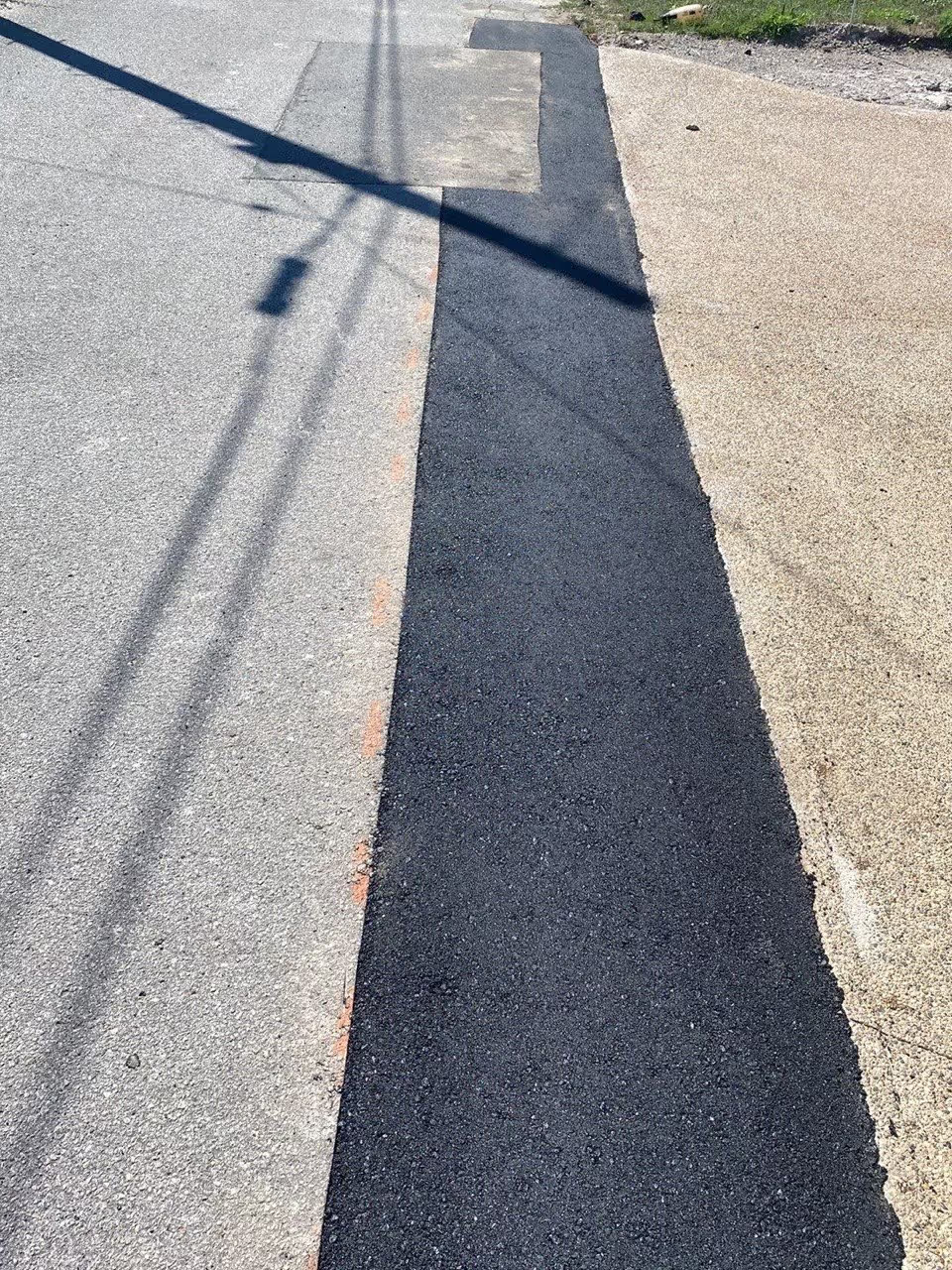
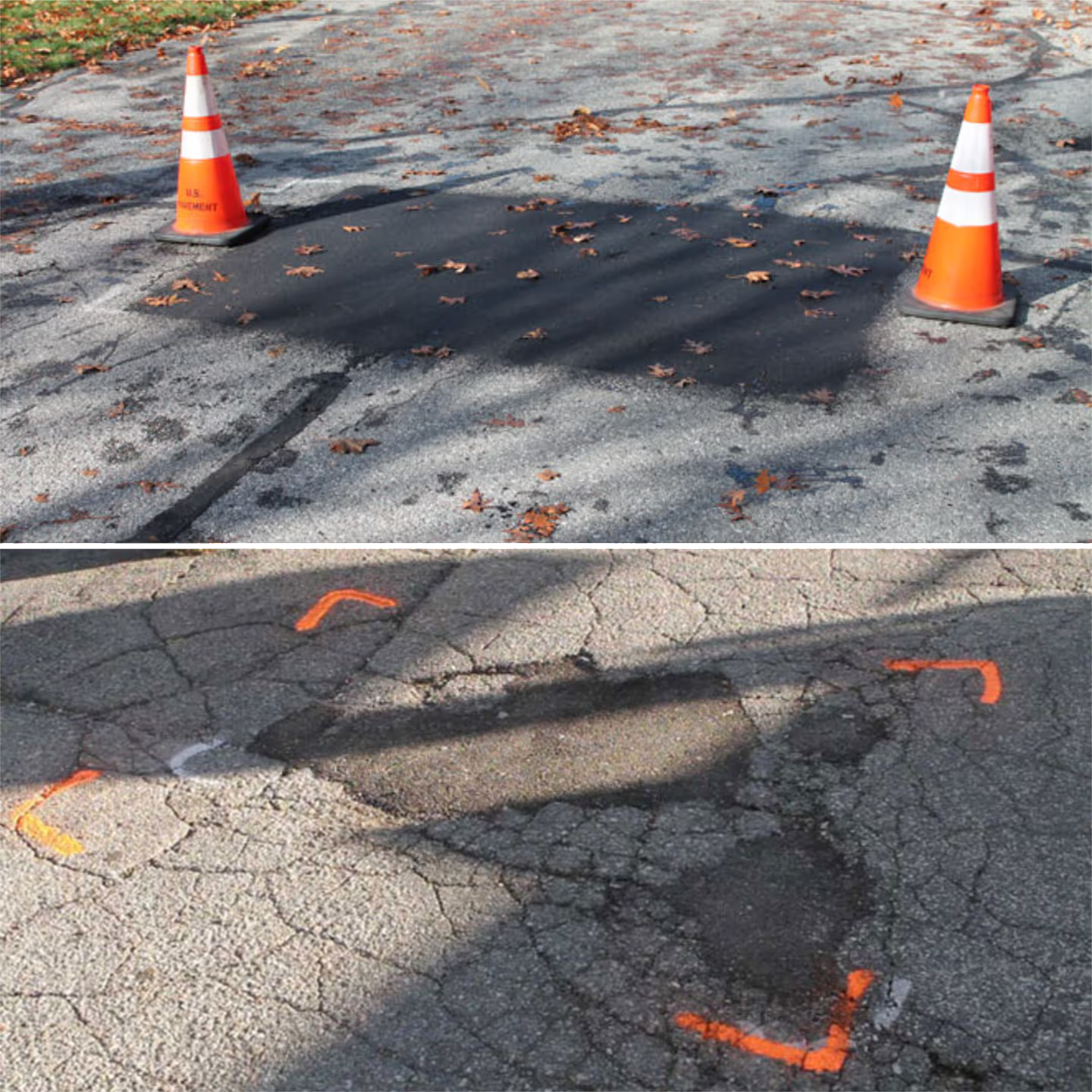
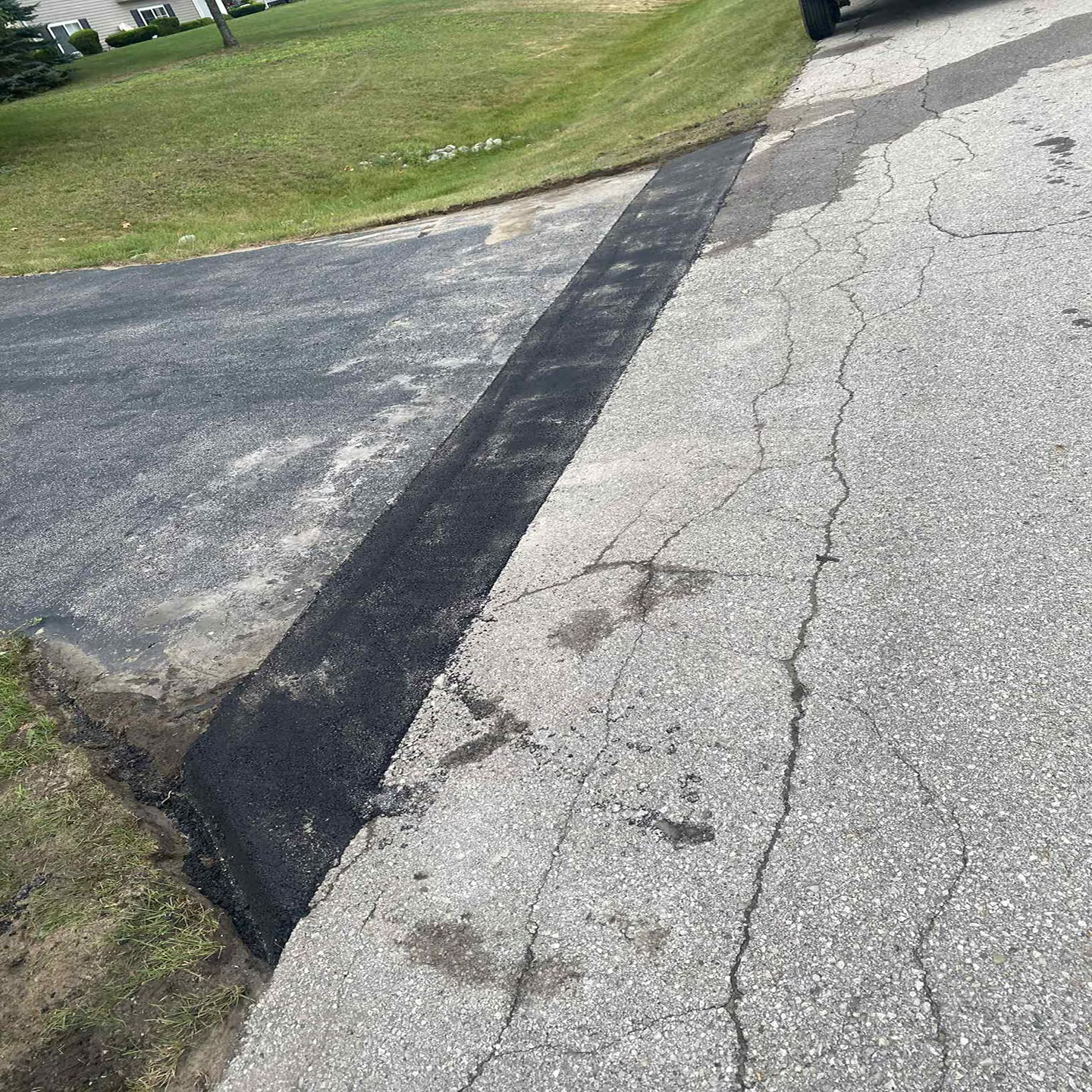
A freshly paved narrow black asphalt strip between two older concrete surfaces on a road or sidewalk in Traverse City, Michigan.
Asphalt Damage

What Casues Asphalt Damage in Traverse City and Northern Michgian?

The 45th Parellel's Freeze and Thaw Cycles

Northern Michigan weather is hard on asphalt. Water enters cracks, freezes, expands, and places pressure on the pavement. As this cycle repeats, small defects become larger cracks, potholes, and surface failures.

Water Intrusion

Water is one of the biggest enemies of asphalt. Once it gets through the surface, it can saturate and weaken the sub-base. When the support below the asphalt fails, the pavement above it eventually sinks, cracks, or breaks apart.

UV Exposure and Oxidation

Sunlight slowly dries out asphalt over time. As the surface oxidizes, it becomes more brittle and more likely to crack. Those cracks then allow moisture to get in and continue the damage.

Traffic Wear and Load Stress

Vehicle traffic, turning movements, parked weight, and repeated use all contribute to asphalt wear. Commercial lots, dumpster pads, entrances, and tight turning areas often break down faster than the rest of the pavement.

Age, Thin Pavement, and Poor Drainage

Older asphalt, thin pavement sections, and drainage issues can all speed up deterioration. If water is not moving away from the surface, or if the asphalt is already near the end of its life, repairs need to be carefully matched to the condition of the pavement.

Why Timely Asphalt Repair Saves Money

Small asphalt problems tend to grow. A crack becomes a pothole. A pothole turns into a larger failed section. Water reaches the base, traffic makes the damage worse, and repair costs rise.

Timely Asphalt Repair Helps:

👉 Reduce safety hazards for vehicles and pedestrians
👉 Improve the appearance of your property
👉 Limit water infiltration and ongoing deterioration
👉 Avoid more expensive repairs or premature replacement
👉 Keep driveways and parking lots usable and accessible

For both residential and commercial properties, early action is one of the smartest ways to protect pavement value.

Our Step-by-Step Full Depth Removal & Replacement Asphalt Repair Process

Step 1
Saw Cut Damaged Asphalt Area

We begin by saw cutting around the failed asphalt to create clean, straight edges. This gives the new repair a better-defined perimeter and helps create a more professional finished result.

Step 2
Remove Damaged Asphalt & Debris

Next, we remove the broken asphalt and clear out loose materials, debris, and any contaminated material in the repair area.

Step 3
Address Wet or Unstable Base Material

If the base below the asphalt is wet, washed out, or unstable, it must be removed. This step matters because repairs that leave bad base material in place often fail again

Step 4
Install and Compact New Base Material

We replace failed base material with compactable aggregate such as crushed stone or road base. Depending on the depth of the repair, the material may be installed and compacted in lifts to create proper support.

Step 5
Apply Tack Coat

A tack coat helps the new asphalt bond to the prepared surface and base. This improves adhesion and helps the repair hold together better over time.

Step 6
Install New Asphalt

We install fresh asphalt to match the surrounding pavement thickness and elevation as closely as possible. The goal is a repair that is functional, smooth, and visually consistent with the existing surface.

Step 7
Compact for Strength & Finish

Proper compaction is critical. We compact the repair area using the appropriate equipment for the size and type of repair so the patch has the density and finish it needs to perform.

Step 8
Seal the Perimeter Seams

To help prevent water from getting between the old and new asphalt, we apply hot rubberized crack sealer around the perimeter seams of the patch. This helps protect the repair from premature failure.

Asphalt Repair Options

Infrared Asphalt Repair vs Cut and Patch: Which Asphalt Repair Method Is Best?

If you are trying to decide between infrared asphalt repair and removal and replacement, the right choice depends on the age of the asphalt, the thickness of the pavement, and whether the problem is surface-level or structural. While infrared repair is often promoted as a seamless solution, it is not the right fit for every asphalt problem.

For many older driveways and structurally damaged areas, cut and patch asphalt repair is the longer-lasting solution. In Northern Michigan, where freeze-thaw cycles, moisture, and seasonal stress take a toll on pavement, choosing the right repair method matters.

Quick Answer: Infrared Repair vs. Removal and Replacement

Infrared asphalt repair is best for:

✅ Newer asphalt, usually 1 to 3 years old
Minor surface corrections
✅ Areas without deep cracking or base failure
✅ Thick commercial pavement where only the top surface needs repair

Cut and patch repair is best for:

✅ Asphalt more than 3 years old
Cracked, brittle, or oxidized pavement
✅ Residential driveways with thin asphalt
✅ Soft spots, failed sub-base, sinkage, or drainage-related damage
✅ Catch basin and drain repairs

If the asphalt is older, thinner, or structurally failing, removal and replacement is usually the better long-term investment.

What Is Infrared Asphalt Repair?

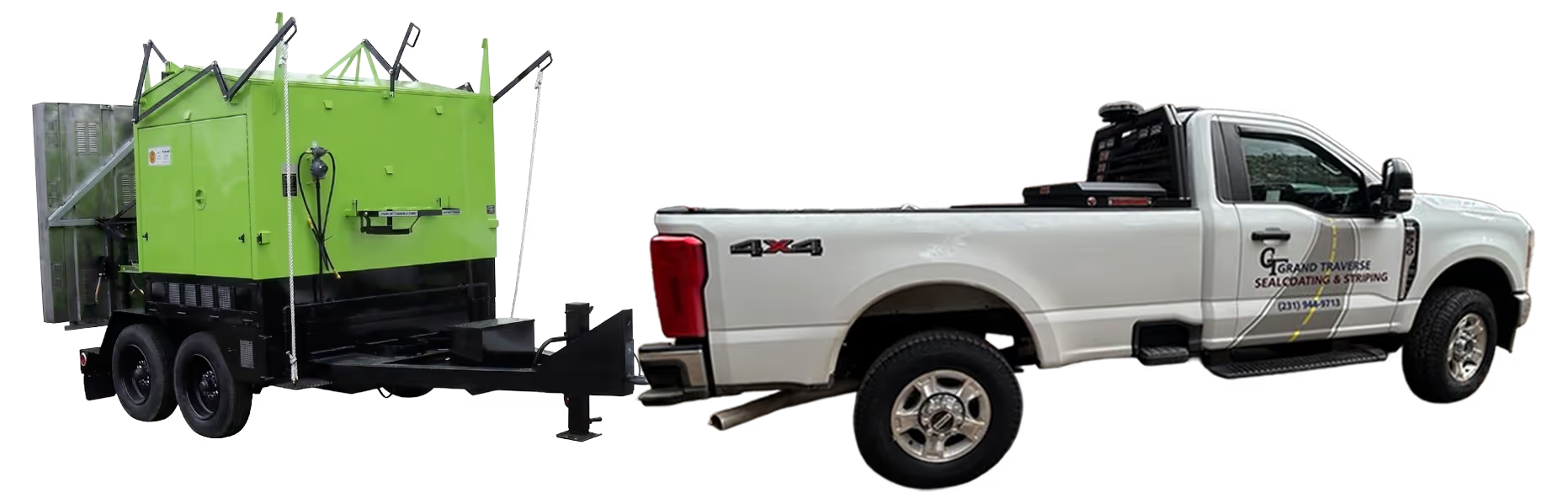
Infrared asphalt repair is a process that uses heat to soften existing asphalt so it can be reworked, blended, and restored. The goal is to create a repair that looks more seamless than a traditional saw-cut patch.

This method can be effective in the right conditions because it allows contractors to heat the surface, loosen the material, add new hot mix if needed, and compact the area back into place. It is often used when speed, minimal disruption, and surface-level correction are the priorities.

However, infrared repair is only as good as the material being reheated. If the existing asphalt is too old, too dry, or sitting on a failed base, heating the surface will not solve the real problem.

The 3-Year Rule for Infrared Asphalt Repair

As a general rule, infrared repair works best on asphalt that is 1 to 3 years old.

Newer asphalt still contains more of the original oils and binders that help the material soften, remix, and bond properly during the heating process. When asphalt is still relatively fresh, infrared repair can create a cleaner, faster repair for minor problem areas.

Once asphalt gets older, oxidation begins to take over. The pavement loses flexibility, becomes more brittle, and does not respond as well to reheating. That is why infrared is often overused on surfaces where it should not be.

For asphalt older than 3 years, especially in harsh climates like Northern Michigan, cut and patch repair is often the more reliable choice.

Why Infrared Repair Often Fails on Older Asphalt

Older asphalt loses the oils and binding properties that make thermal repair effective. Reheating worn-out pavement does not truly restore the structure of the material.

A simple way to think about it is this:

trying to revive old, oxidized asphalt with heat is like trying to revive a dead battery. The material may soften temporarily, but that does not mean it regains the strength and flexibility it once had.

Even when rejuvenators are added, the old and new material often do not blend deeply enough to create a durable, lasting bond. That can lead to:

❌ Premature cracking
❌ Progressive deterioration
❌ Sinking Edge separation
❌ Failure within months instead of years

For asphalt that is cracked, brittle, or deteriorated, removing the failed section and installing new hot-mix asphalt is the better repair strategy.

Why Residential Driveways Usually Need Cut and Patch Repair

Most residential driveways in Northern Michigan are only 2 to 3 inches thick. That limited depth is a major reason infrared repair is often the wrong choice for residential asphalt.

During an infrared repair, the heated asphalt must be raked and mixed. On a thin driveway, that process can easily disturb the gravel base underneath. Once stone and sub-base material get pulled into the asphalt patch, the integrity of the repair drops fast.

That usually leads to problems like:

❌ Loose material
❌ Uneven compaction
❌ Sinking patches
❌ Surface deterioration
❌ Short repair life

For residential asphalt repairs, removal and replacement is usually the safest and most dependable method because it allows the damaged asphalt to be fully removed, the base to be checked, and new material to be installed correctly.

Why Cut and Patch Repair Is the Better Long-Term Fix

Cut and patch asphalt repair, also called removal and replacement, is the process of saw-cutting the failed pavement, removing the damaged asphalt, repairing the base if needed, and installing fresh hot-mix asphalt.

This method is often the better choice because it addresses more than just the surface. It allows contractors to fix the actual failed section rather than reheating material that is already worn out.

Benefits of cut and patch repair include:

✅ Stronger long-term performance
✅ Better repair of structural failures
✅ New asphalt material instead of reheated, oxidized pavement
✅ Ability to inspect and correct the base below
✅ Better results around drains, edges, and high-stress areas

When durability matters, cut and patch repair is usually the repair that stands the test of time.

When Infrared Asphalt Repair Makes Sense

Infrared does have a place in asphalt repair when the conditions are right.

The best use cases for infrared repair include:

✅ Minor surface corrections on newer asphalt
✅ Surface imperfections on recently paved areas
✅ Thick commercial lots with adequate asphalt depth
✅ Repairs where faster return to traffic is important
✅ Non-structural issues that do not involve base failure

In commercial settings, especially on parking lots with 5 to 8 inches of asphalt depth, infrared can be a practical option. In these situations, the repair can focus on the upper layer without disturbing the deeper structural layers below.

For the right commercial application, infrared can provide:

👉 Less disruption
👉 Faster turnaround
👉 Minimal saw-cutting
👉 A more blended surface appearance

Our Traverse City & Northern Michigan Asphalt Repair Featured Projects

Chateau Grand Traverse Winery
Infrared Asphalt Repair
Traverse City, Michigan
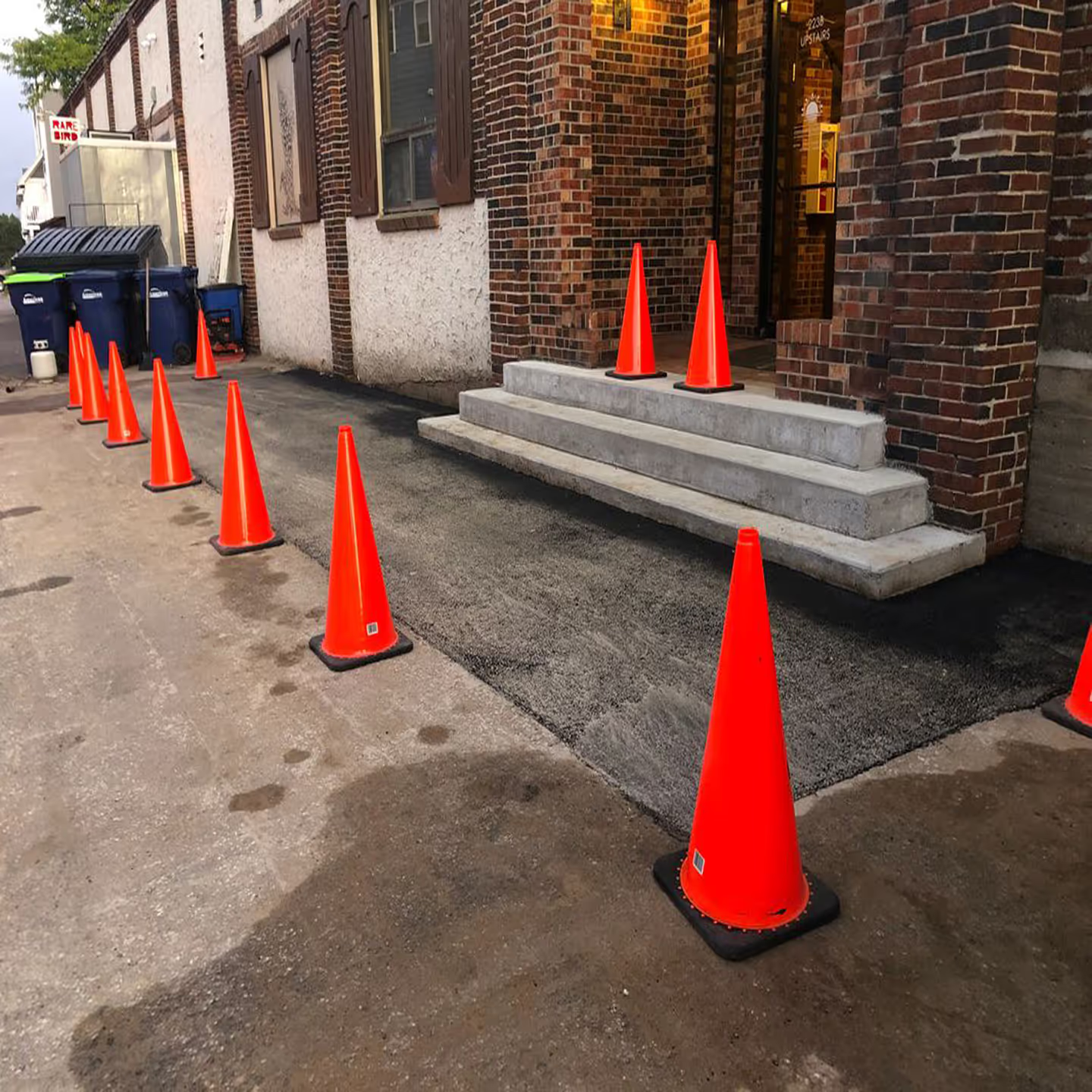
Concrete Steps & Asphalt Repair
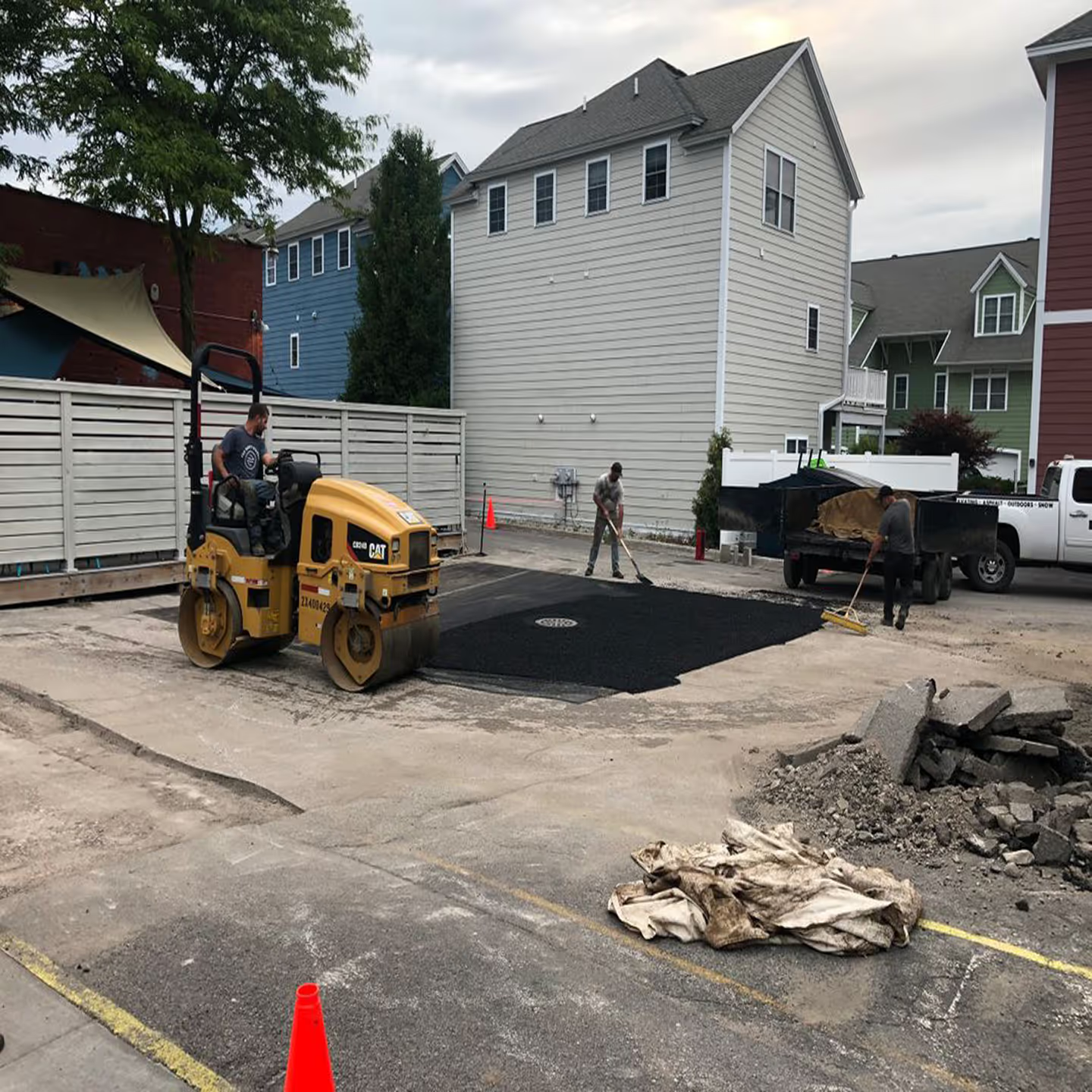
Rare Bird Brewpub
Parking Lot Asphalt Repair
Northern Michigan
Private Road Asphalt Repair
Leelanau County Michigan
Driveway Asphalt Repair
North Peak Brewing Company
Parking Lot Asphalt Repair
Grand Traverse County Michigan
Driveway Asphalt Repair
Traverse City, Michigan
Driveway Entrance Asphalt Repair
10+
Years of experience
4.9/5
Regional Trust Rating
7K+
Asphalt Surfaces Protected
2
Year Workmanship Warranty
Asphalt sealcoating financing options in Traverse City, Michigan, showing Wisetack monthly payment plans on a smartphone next to a project invoice.

Flexible 12-Month 0% Interest Financing

We make it easier to protect your asphalt investment with 12-month 0% interest financing. You can apply right from your quote, review your options, and choose the payment plan that works best for your budget.

✔️ Apply directly from your quote
✔️ 12-month 0% interest financing
✔️ Straightforward online process
✔️ Review options before moving forward
✔️ Budget-friendly payment flexibility
✔️ Get your project completed sooner

Residental Driveway and Commerical Parking Lot Asphalt Repair Services

We provide asphalt repair services for a wide range of properties, including:

✅ Residential driveways
✅ Vacation homes and second properties
✅ Apartment and condo communities
✅ Commercial parking lots
✅ Retail and office properties
✅ Private roads and lanes
✅ Managed properties and investment properties

Whether you need driveway pothole repair in Traverse City or asphalt patching for a commercial lot in Northern Michigan, we tailor the repair method to the condition of the pavement and the goals for the property.

Why Our Parking Lot and Driveway Asphalt Repair Process Matters

A good asphalt repair is not just about filling a hole. It is about restoring a failed section of pavement the right way.

Our process is built around clean edge preparation, proper base correction, sound compaction, and seam sealing. We also use water-assisted saw cutting as part of our repair approach because it helps reduce dust and creates a cleaner work environment for homes and businesses. That matters on occupied properties where appearance, cleanliness, and minimizing disruption are important.

When repairs are done correctly, they look better, last longer, and reduce the chance of water quickly getting back into the repaired area.

Service Area for Asphalt Repair

We provide asphalt repair services in Traverse City, MI and surrounding counties, including:

✔  Grand Traverse County
✔  Leelanau County
✔  Benzie County
✔  Kalkaska Couny
✔  Antrim County
✔  Wexford County
✔  Manistee County

If you are searching for asphalt repair near me, asphalt driveway repair in Traverse City, pothole repair in Traverse City, or infrared asphalt repair in Northern Michigan, our team is ready to help.

Professional residential driveway asphalt repair in the South Creek subdivision of Traverse City, MI, featuring precision hot-mix compaction.

Let’s Restore Your Property's Curb Appeal Today

If your driveway, parking lot, or paved access area has potholes, cracking, soft spots, or failing asphalt, now is the time to address it. Grand Traverse Sealcoating & Striping provides professional asphalt repair services in Traverse City and throughout Northern Michigan, with repair options designed for both surface-level issues and deeper pavement failures.

Contact us today to request a quote for asphalt repair, pothole repair, infrared asphalt repair, or full-depth asphalt patching.

Frequently Asked Questions About Parking Lot, Driveway & Private Drive Asphalt Repair.

Investing in your asphalt shouldn't be a guessing game. We’ve compiled the most frequent questions from property owners across Northern Michigan to help you make the best decision for your asphalt driveway or parking lot, or private drive.

What causes potholes in asphalt?

Potholes usually form when water gets into cracks, weakens the base below the asphalt, and traffic causes the surface to break apart. In Northern Michigan, freeze-thaw cycles make this process worse because trapped water expands when it freezes.

What is the best way to repair a pothole?

The best repair depends on how deep the damage goes. If the pothole is mostly a surface issue, infrared repair may work well. If the base below the asphalt is wet or unstable, full-depth repair is usually the better long-term option.

What is infrared asphalt repair?

Infrared asphalt repair is a method that heats damaged asphalt so it can be softened, reworked, blended with new material if needed, and compacted into a more seamless repair. It is a strong option for many potholes and surface defects.

Is infrared asphalt repair better than traditional patching?

Infrared repair can be better for the right type of damage because it creates a more seamless blend with the surrounding asphalt and is often faster and less disruptive. However, if the base has failed or the damage is too deep, traditional full-depth repair is the better choice.

When do I need full-depth asphalt repair?

You typically need full-depth repair when the problem is structural, not just cosmetic. Signs include deep potholes, soft spots, base failure, drainage-related damage, or asphalt that is too thin or worn out for a surface-only fix.

Can you repair asphalt driveways and parking lots?

Yes. Asphalt repair can be performed on residential driveways, commercial parking lots, private roads, access lanes, and many other paved surfaces. The repair approach should be matched to the size, depth, and cause of the damage.

How quickly should asphalt damage be repaired?

As soon as practical. The longer cracks, potholes, and sunken areas are left untreated, the more likely water and traffic are to enlarge the damaged area and increase the cost of repair..

What is alligator cracking in asphalt?

Alligator cracking is a pattern of interconnected cracks that often looks like reptile skin. It usually points to deeper stress in the pavement structure and may indicate that the asphalt or the base beneath it is failing.

Can sunken asphalt be repaired?

Yes, sunken asphalt can often be repaired, but the right method depends on why it sank. If the issue is caused by base failure or drainage problems, the repair usually needs to address those conditions rather than just the surface.

Why is saw cutting important during asphalt repair?

Saw cutting creates clean edges around the damaged area. This helps form a neater repair, improves how the new asphalt ties into the existing pavement, and supports a more professional finished result.

Why do perimeter seams need to be sealed?

Sealing the perimeter helps reduce water infiltration between the old pavement and the new repair. This matters because water is one of the main causes of repeat asphalt failure.

How long does asphalt repair last?

The life of an asphalt repair depends on the repair method, the condition of the surrounding pavement, the quality of the base, drainage, traffic, and ongoing maintenance. Repairs tend to last longer when the root cause of the damage is correctly addressed.

How much does asphalt repair cost in Traverse City?

Asphalt repair cost depends on the size of the area, the depth of the failure, whether the base must be rebuilt, the repair method used, site access, and how many areas need repair. The best way to get accurate pricing is with a site-specific quote.

Is asphalt repair worth it, or should I just replace everything?

In many cases, asphalt repair is absolutely worth it. If the damage is localized and the surrounding pavement is still in decent condition, repair can extend pavement life and save money. If the asphalt is broadly failing or near the end of its service life, replacement may make more sense.

Can asphalt be repaired in Northern Michigan’s climate?

Yes, but repair methods need to account for local weather conditions, especially freeze-thaw stress and water intrusion. That is why proper preparation, base correction, compaction, and seam sealing matter so much in this region.

How long will my asphalt last in Northern Michigan?

Properly maintained asphalt can last 25 to 30 years, whereas neglected surfaces often deteriorate within 10 to 15 years due to the region's aggressive freeze-thaw cycles.

When should I choose Infrared Asphalt Repair vs Removal and Replacement?

Choosing between Infrared Repair and Removal and Replacement (Cut & Patch) depends entirely on the age, depth, and structural condition of your asphalt. While infrared is a popular "seamless" option, it is often misapplied to surfaces that require a more robust solution.

The "3-Year Rule" for Infrared:
Infrared repair works best on new asphalt (1–3 years old). Fresh asphalt still contains the original oils and binders necessary for a successful thermal bond. As asphalt ages, these oils evaporate (oxidation), leaving the pavement brittle.

The Physics: Reheating old, dry asphalt is like trying to "revive" a dead battery—the material simply won’t rejuvenate properly. Even with professional rejuvenators, the new and old materials rarely mix thoroughly enough to create a permanent bond, often leading to failure within 6 to 24 months.

Residential Limitations (Thickness Matters):
Most residential driveways in Northern Michigan are only 2–3 inches thick.The Danger Zone: During an infrared repair, you must rake and mix the heated asphalt. In a thin residential driveway, this process often reaches the gravel sub-base. Once you start mixing gravel into your asphalt "patch," the structural integrity is gone. This results in a repair that sinks or ravels almost immediately. For residential properties, Removal and Replacement is the only way to ensure you are fixing the foundation, not just "cooking" the surface.

The Commercial Exception:
Infrared is an excellent, non-disruptive choice for commercial parking lots where the asphalt depth is significantly thicker (5–8 inches).

Surface Milling: On thick commercial lots, we can heat and remove just the top layer, allowing for a new surface to be installed without disturbing the deep structural layers. This allows the area to be opened to traffic much faster than a traditional cut-and-replace job.

When Infrared is NEVER the Answer:
Regardless of age or depth, Infrared Repair should not be used for:

Structural Failure: If the sub-base is soft or compromised, "re-cooking" the surface won't fix the foundation.

Catch Basins & Drains: Areas around drains are under high stress; these must be saw-cut and replaced with new hot-mix to prevent sinking.

Infrared Best Use Case:
Infrared is a surgical tool for minor surface corrections on newly paved asphalt. If your pavement is over 3 years old or showing signs of cracking, a Structural Cut & Replace is the only investment that will stand the test of time.

How long should I wait to drive on a new asphlat patch?

For newly patched asphalt, you can typically allow vehicle traffic after 24 hours. However, while the asphalt may be cool enough to drive on, it remains in a "tender" state as the liquid binders continue to cure. In the peak of a Northern Michigan summer, high surface temperatures can keep the material soft for significantly longer.

To protect your investment during the first 30 days, we recommend following these "Fresh Asphalt" protocols:

1. Avoid "Dry Steering"
The most common cause of damage to new asphalt is stationary turning (dry steering). If you turn your steering wheel while your tires are not moving, the friction can "tear" the surface, leaving permanent scuff marks. Always ensure your vehicle is in motion before turning the wheels on a fresh patch.

2. Manage "Point Loading"
Fresh asphalt is susceptible to "point loading"—where heavy weight is concentrated on a very small surface area. On hot days (80°F+), the asphalt can soften enough for certain objects to sink into the surface:

Motorcycle Kickstands: These should always be placed on a small piece of plywood or a "puck" to distribute the weight.

Pointy Furniture: Lawn chairs, umbrellas, or tables with narrow legs should be kept off the new patch during the first summer.

Trailer Jacks: Boat or utility trailers should have a block of wood under the tongue jack.

3. Strategic Parking:
Try to avoid parking on the asphalt patch or at the very least in the exact same spot every day for the first month. Constant weight in the same location—especially in direct sunlight—can cause minor depressions or "tracking" in the new hot-mix. If the area feels particularly soft on a record-heat day, a light spray from a garden hose can help temporarily cool the surface and keep the binder firm.

When should I repair vs replace my asphalt driveway?

A common rule of thumb is that if more than 40% of the total surface area is covered in cracks or damage, replacement or resurfacing becomes more cost-effective than repair.

Should I resurface or replace my asphalt?

This depends on the foundation. If the sub-base is sound, resurfacing (overlay) is a cost-effective option; if the base has failed—indicated by extensive "alligator" cracking—a full replacement is necessary.

How much does it cost to fix a pothole in Northern Michigan?

In Traverse City, pothole repair costs depend on whether the job is a standalone service or bundled with sealcoating. A single standalone patch can be more expensive due to asphalt plant minimums and mobilization fees. However, Grand Traverse Sealcoating & Striping offers a cost-effective "Asphalt Cookie" method—using pre-prepared 3'x3' sheets of professional hot-mix asphalt that can be reheated and installed while prepping your driveway for sealcoating, significantly reducing the price.

Factors That Influence Pothole Repair Costs

1. Logistics: The "Asphalt Plant" Factor
Asphalt is a perishable product; it must be kept hot to be workable. If we have to drive to the asphalt plant specifically for one small pothole, the cost must cover the plant’s minimum tonnage fee and the specialized trip to your location. This makes a single, standalone pothole repair relatively expensive compared to the actual size of the hole.

2. Quantity & Size
Naturally, the more potholes we fix during a single visit, the lower the "cost per patch" becomes. Repairing five potholes during one mobilization is far more efficient than visiting five different properties for one patch each.

The "Asphalt Cookie"
To save our customers money and reduce waste, we developed the Asphalt Cookie method.

What is it? When we have high-quality hot-mix asphalt left over from a large commercial paving project, we don't let it go to waste. We form it into 3'x3' sheets (which we call "cookies").

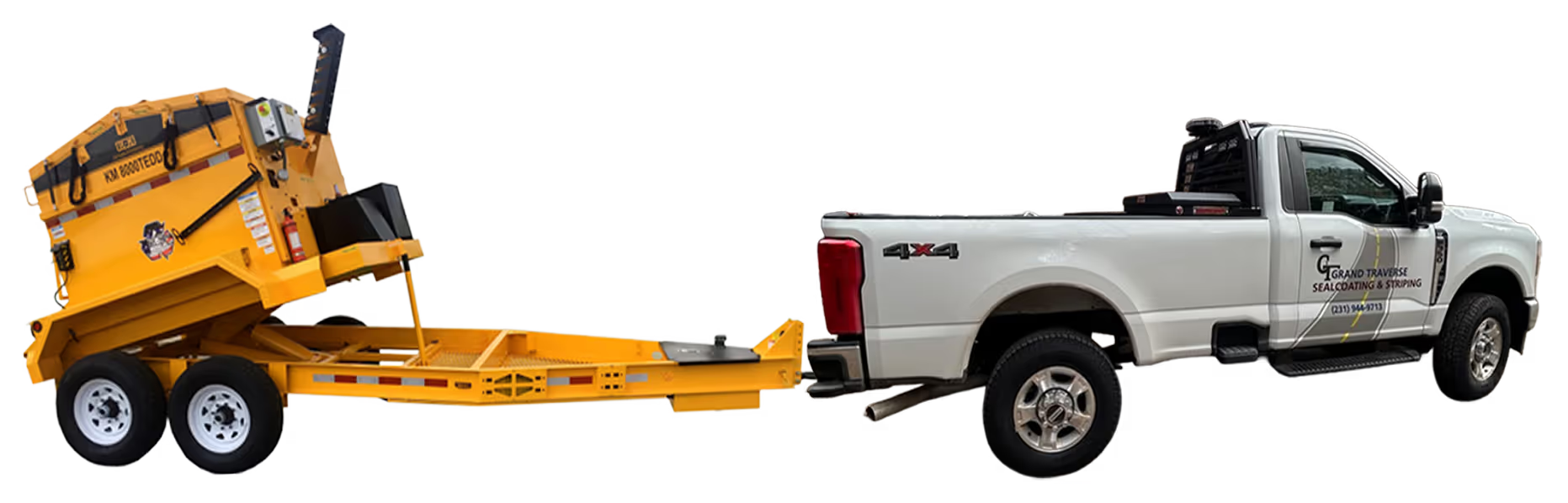
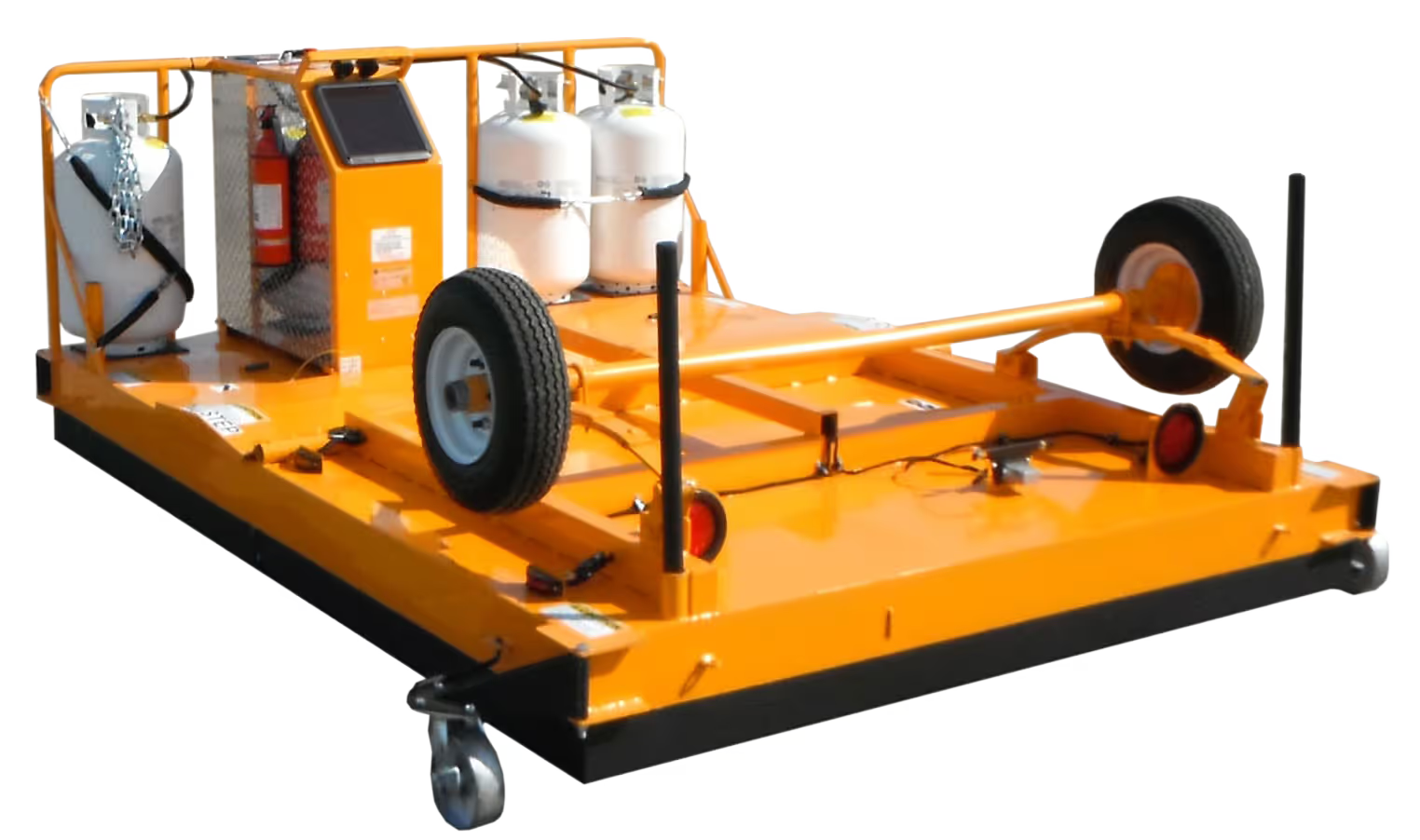
How it works: We bring these "cookies" to your job site. While we are prepping your driveway for sealcoating, we use specialized infrared equipment to reheat these sheets back to a workable temperature.

The Benefit: This allow us to provide a permanent hot-mix patch without a dedicated trip to the asphalt plant. It’s faster, more eco-friendly, and significantly cheaper for the homeowner.

Does road salt damage asphalt driveways?

Salt does not typically damage asphalt chemically but does so "mechanically" by accelerating the freeze-thaw cycle, allowing moisture to enter cracks and expand as it freezes