




Driveway Culvert Replacement in Traverse City, MI for Sinking, Heaving & Failing Driveway Crossings

Request a quote today for Culvert Replacement in Traverse City, Grand Traverse County, Leelanau County, Benzie County, and surrounding Northern Michigan areas.

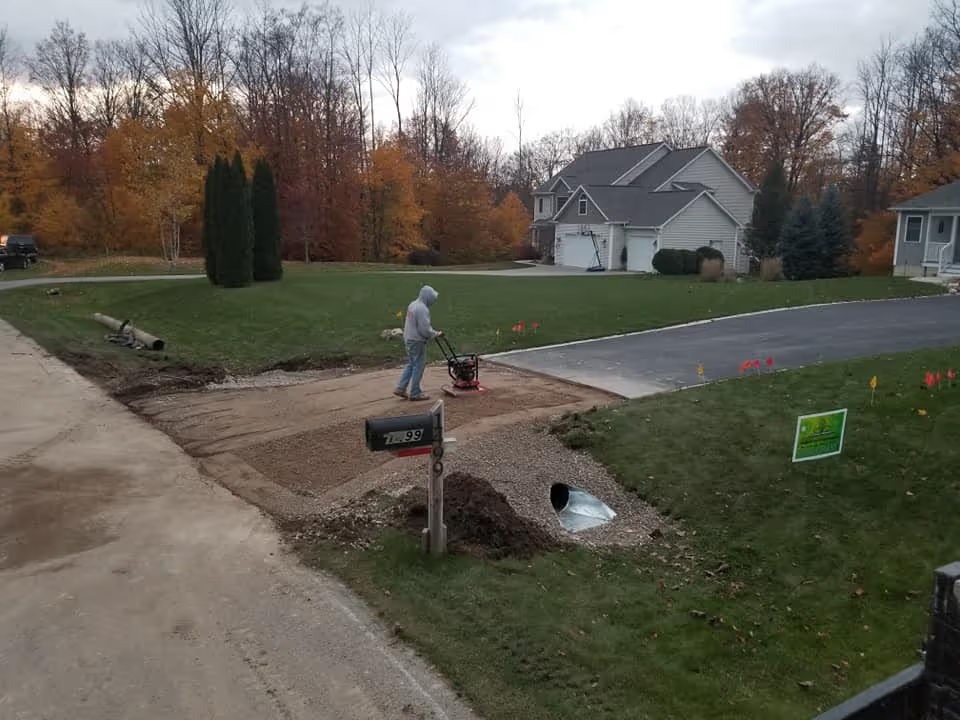
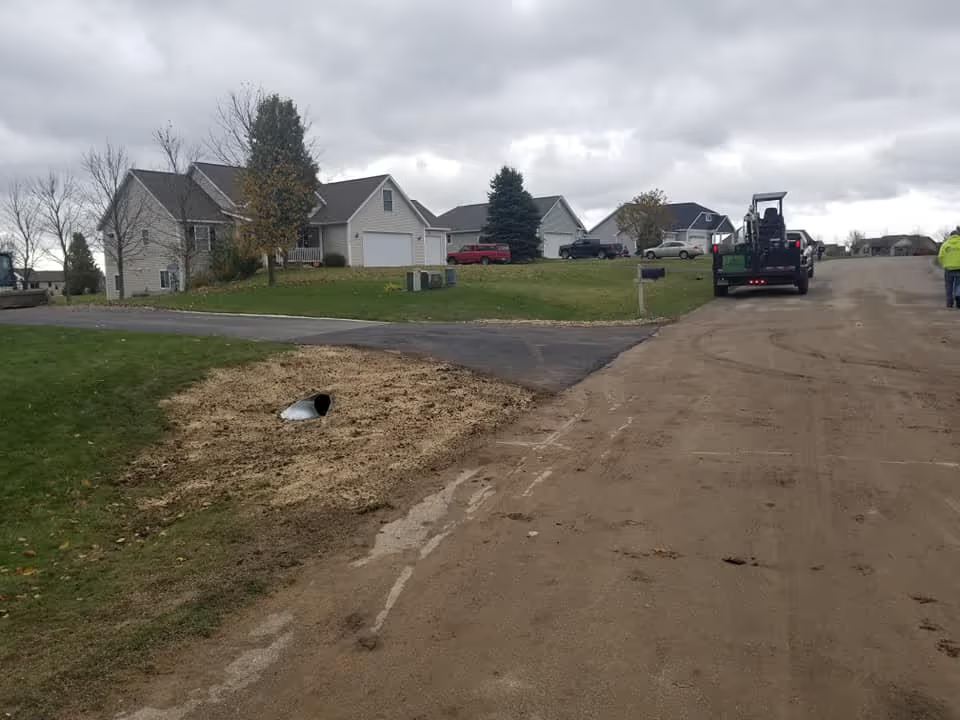
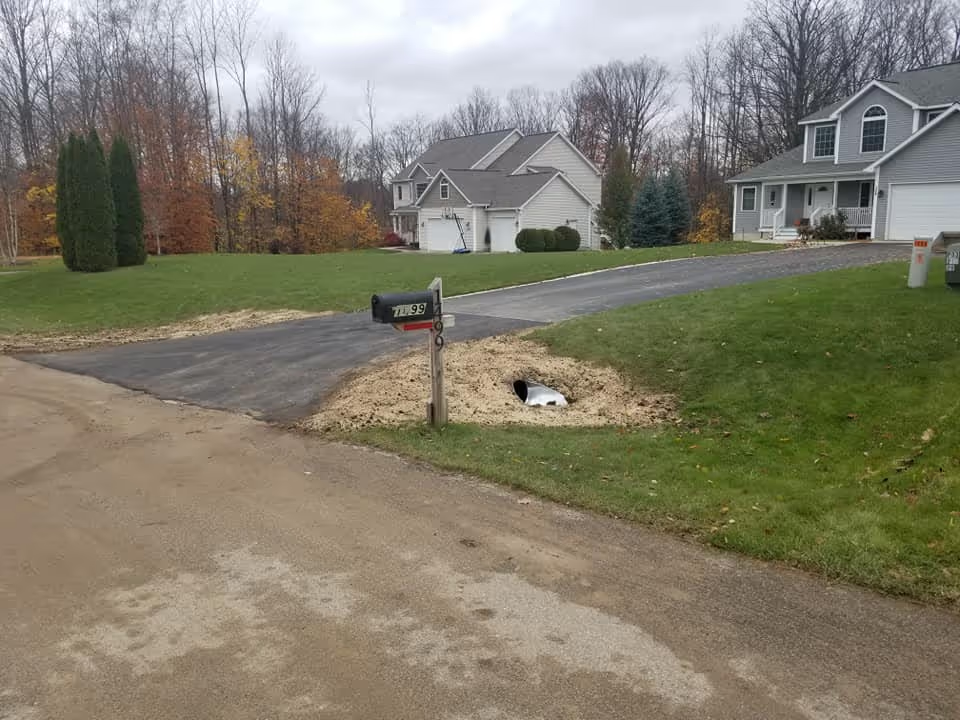
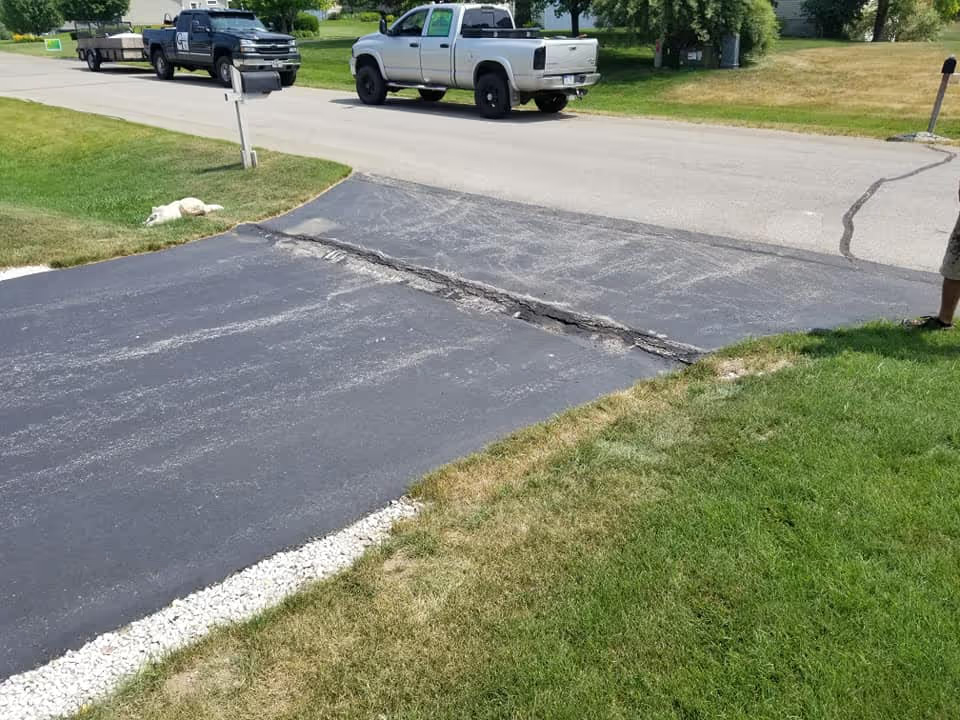
A failed driveway culvert in South Creek Subdivision, Traverse City, causing the asphalt to heave upward like a speed bump due to pipe collapse and freeze-thaw damage.

Professional Residential Driveway Culvert Replacement in Traverse City & Northern Michigan

A failing driveway culvert usually gives warning signs before it completely collapses. You may notice the asphalt starting to sink over the pipe, a dip forming where you drive in, water standing at the road edge, or the opposite problem — the driveway starts heaving upward and creates a hard bump that feels like a speed bump every time you pull in. In Northern Michigan, those problems usually do not stay small for long.

At Grand Traverse Sealcoating & Striping, we provide professional residential driveway culvert replacement, drainage pipe installation, excavation, washout repair, and asphalt restoration over culvert crossings. Our goal is simple: fix the failed pipe below, restore the driveway above, and solve the drainage issue that is causing the problem in the first place.

If your driveway entrance is sinking, lifting, cracking, washing out, or becoming rough to drive over, now is the time to address it before the crossing fails further and the repair becomes more expensive.

Failure Reasons

Common Signs of Culvert Failure

👉 Sinking Asphalt Over the Culvert

One of the most common warning signs is asphalt that starts sinking directly over the culvert crossing. This usually means the pipe below has failed, shifted, crushed, rotted out, or lost the support around it. As the material below washes away or settles, the asphalt above begins to drop with it.

👉 Heaving or a “Speed Bump” Forming in the Driveway

Sometimes the opposite happens. Instead of sinking, the area over the culvert starts lifting and creating a hump. Homeowners often describe it as feeling like a speed bump right at the driveway entrance. This can happen when frost, water, pipe movement, poor backfill, or pressure from the failing crossing distorts the driveway surface.

👉 Cracks Forming Near the Road Edge or Entrance

When the culvert below starts failing, the asphalt above often begins to crack. These cracks may run across the driveway, trace the culvert area, or spread outward from the entrance.

👉 Standing Water at the Driveway Entrance

If water is sitting near the road edge or pooling around the driveway apron, the culvert may be blocked, undersized, poorly draining, or already beginning to fail.

👉 Repeated Washouts After Rain

If rain keeps washing out the sides of the driveway entrance or eroding material around the crossing, the culvert system is likely no longer handling flow properly.

👉 A Soft Spot, Void, or Sinkhole Near the Pipe

If the area around the culvert feels soft, looks hollow underneath, or has started collapsing, that is a major warning sign that the pipe crossing has lost support and needs attention quickly.

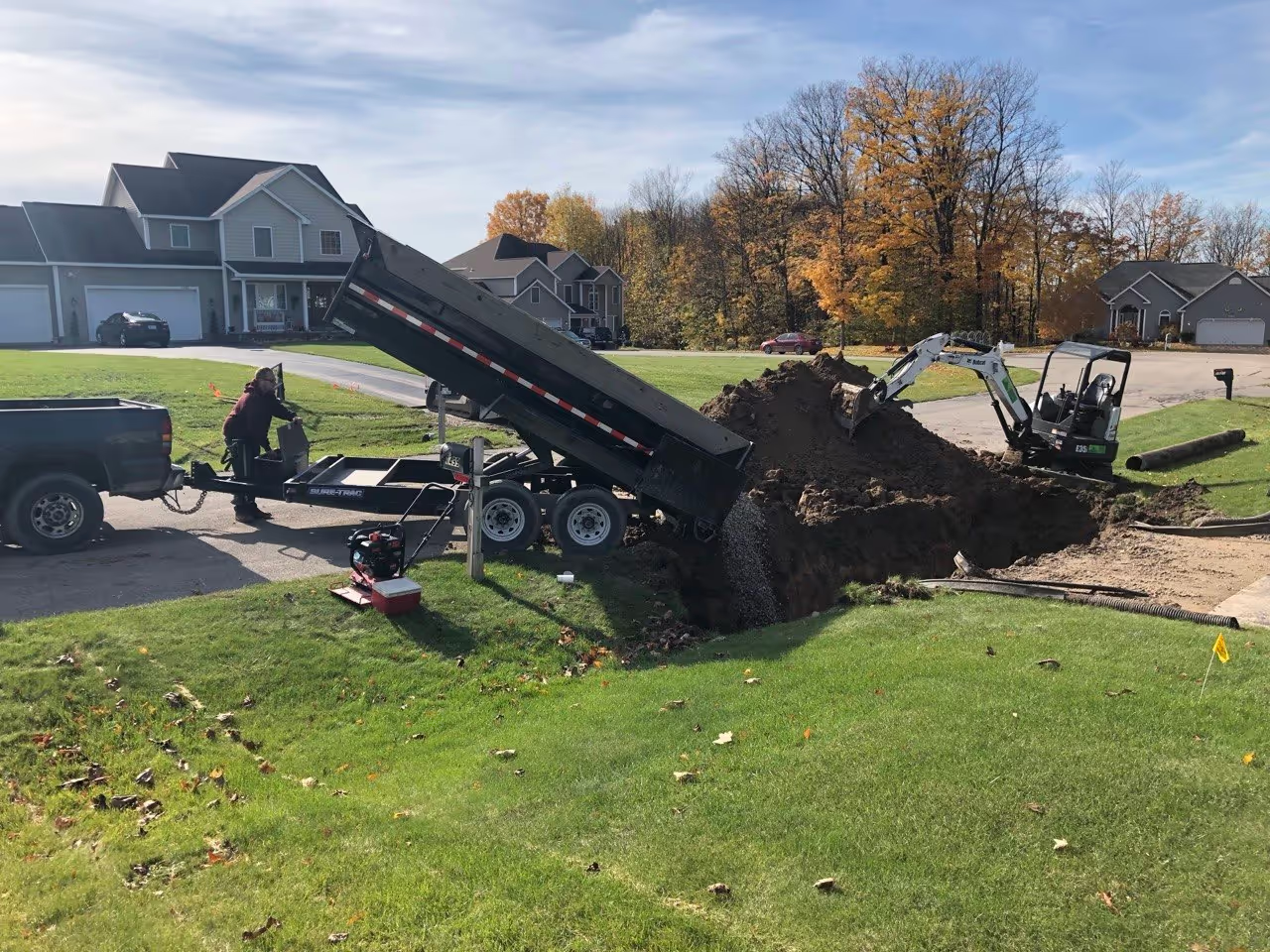
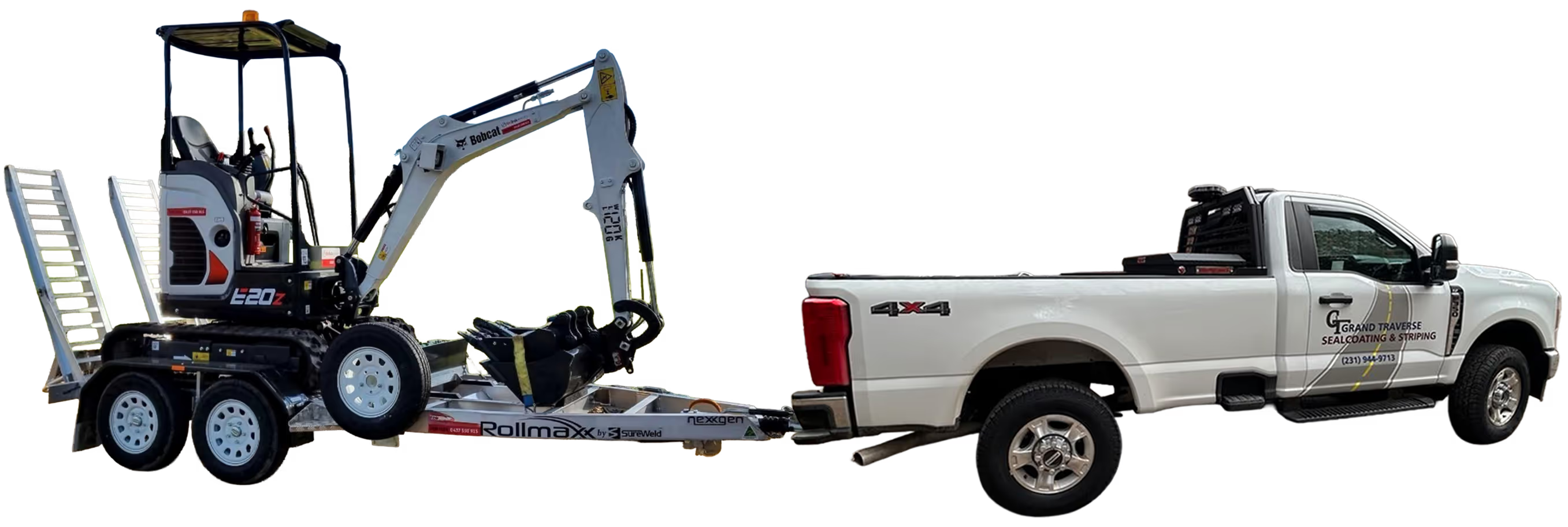
Professional Ford F-350 truck towing a Bobcat excavator on a heavy-duty equipment trailer. Grand Traverse Sealcoating & Striping’s mobile excavation fleet ready for culvert replacement and asphalt repair projects in Traverse City and Northern Michigan.

Our Residential Driveway Culvert Replacment Services

⭐ Driveway Culvert Replacement

We excavate failed residential driveway crossings and replace damaged or inadequate culvert pipes to restore proper drainage and rebuild the entrance correctly.

⭐ Sinking Driveway Entrance Repair

If the asphalt is dropping over the culvert, we address the failed crossing below and rebuild the driveway entrance above it so it is properly supported again.

⭐ Heaved Driveway Crossing Repair

If drainage failure has washed out gravel, undermined the edge, or caused erosion around the crossing, we rebuild the damaged area as part of the repair.

⭐ Residential Drainage Pipe Installation

For homeowners building a new entrance or upgrading an old one, we install culvert pipes designed to move water under the driveway and protect the crossing from washout.

⭐ Asphalt Patching After Culvert Replacement

When an asphalt driveway needs to be cut and opened to replace the culvert, we restore the paved surface above the new crossing so the repair is functional and finished.

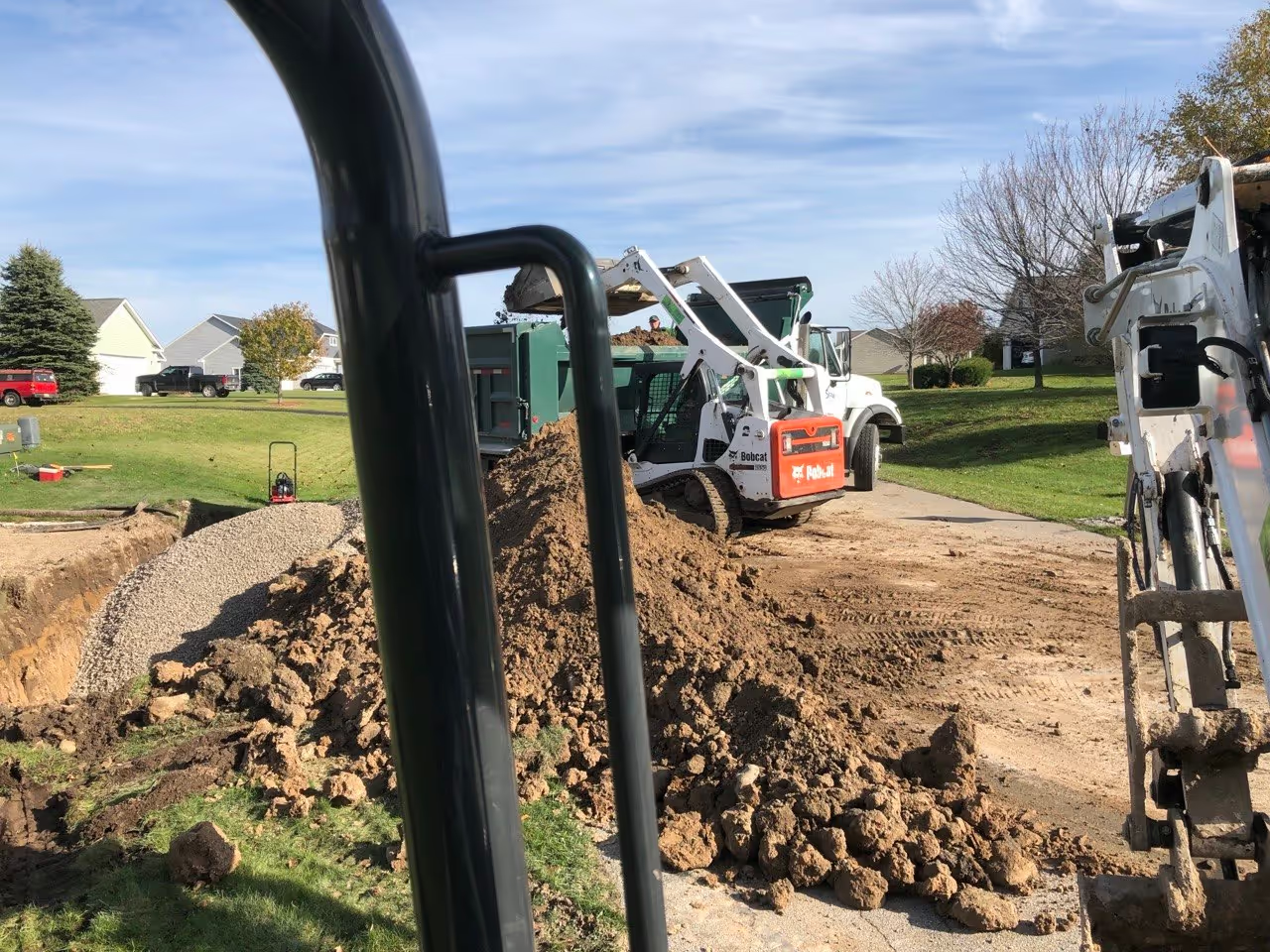
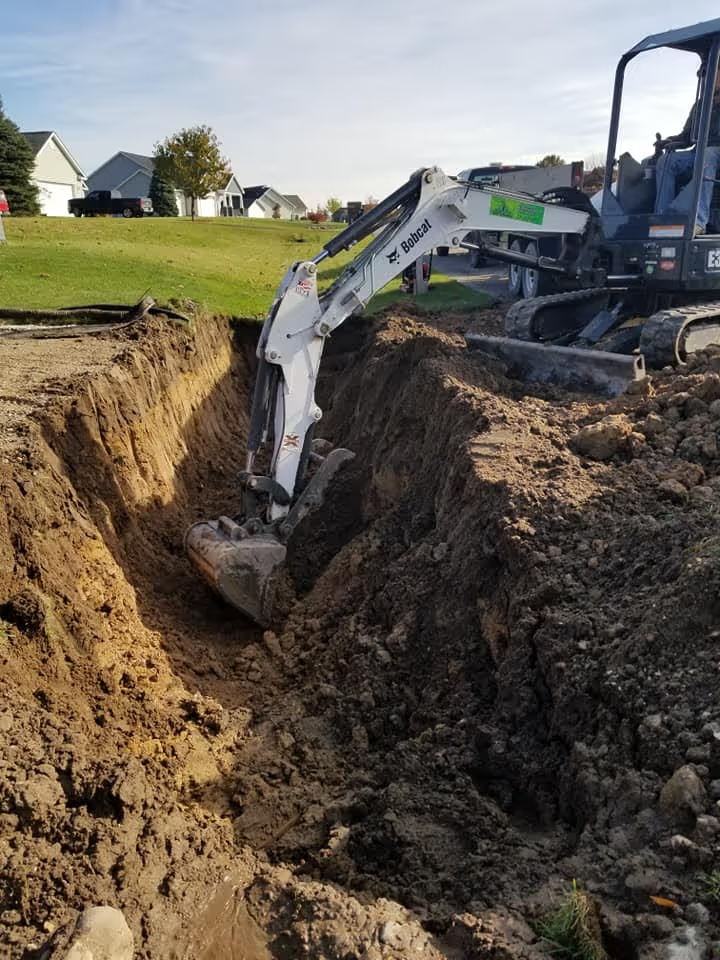
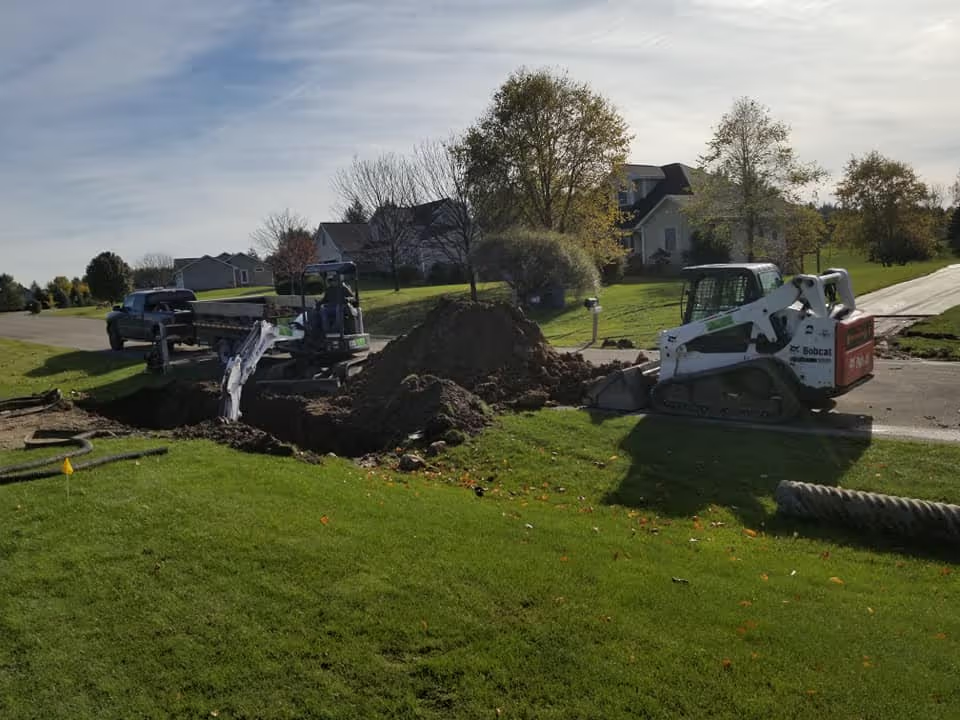
Close-up of a precision-dug trench in Traverse City, being graded to receive a structural stone bedding which prevents future pipe settling and movement.
Failure Reasons

Why Driveway Culverts Sink, Heave & Fail

❌ Water Is Washing Out the Support Around the Pipe

If water is getting around the culvert or the fill around it is eroding, the material supporting the driveway starts disappearing. Once that support is lost, the asphalt above begins to crack and sink.

❌ The Pipe Has Collapsed or Broken Down

Older culvert pipes, especially aging metal ones, can rust through, separate, flatten, or cave in. When the pipe is no longer structurally sound, the driveway above it is left unsupported.

❌ The Culvert Is Clogged and Water Has No Place to Go

When a driveway culvert plugs with debris, sediment, or vegetation, water backs up and starts saturating the surrounding area. That trapped water weakens the base, contributes to frost movement, and accelerates surface failure.

❌ Frost Heave Is Pushing the Driveway Up

In Northern Michigan, trapped moisture around a failing culvert can freeze and expand. That can lift the crossing and create the raised hump or “speed bump” homeowners feel when driving over the entrance.

❌ Poor Backfill or Poor Original Installation

If the culvert was not properly bedded or the fill around it was not compacted correctly, the crossing may settle unevenly over time or become more vulnerable to movement and washout.

❌ The Pipe Is Too Small for the Water It Needs to Carry

Sometimes the culvert is not just old — it is undersized. If it cannot handle the runoff moving through the ditch line, water may overtop, back up, or erode around the crossing.

Driveway Culvert Replacement Process

Step 1
Excavate the Failed Culvert Crossing

Once the failing crossing is exposed, we remove the damaged pipe, unstable material, and any washed-out fill that is no longer supporting the driveway

Step 2
Prepare the Trench and Pipe Base

The new pipe needs a properly prepared base and the correct alignment. This step matters because the long-term performance of the crossing depends on how well it is set.Next, we remove the broken asphalt and clear out loose materials, debris, and any contaminated material in the repair area.

Step 3
Set the New Culvert Pipe

We install the new culvert so water can move through the crossing properly and the driveway above has the support it needs.

Step 5
Backfill and Rebuild the
Driveway Crossing

We rebuild the area around and above the pipe so the crossing is stable, compacted, and ready for driveway restoration.

Step 6
Restore the Surface
Above the Culvert

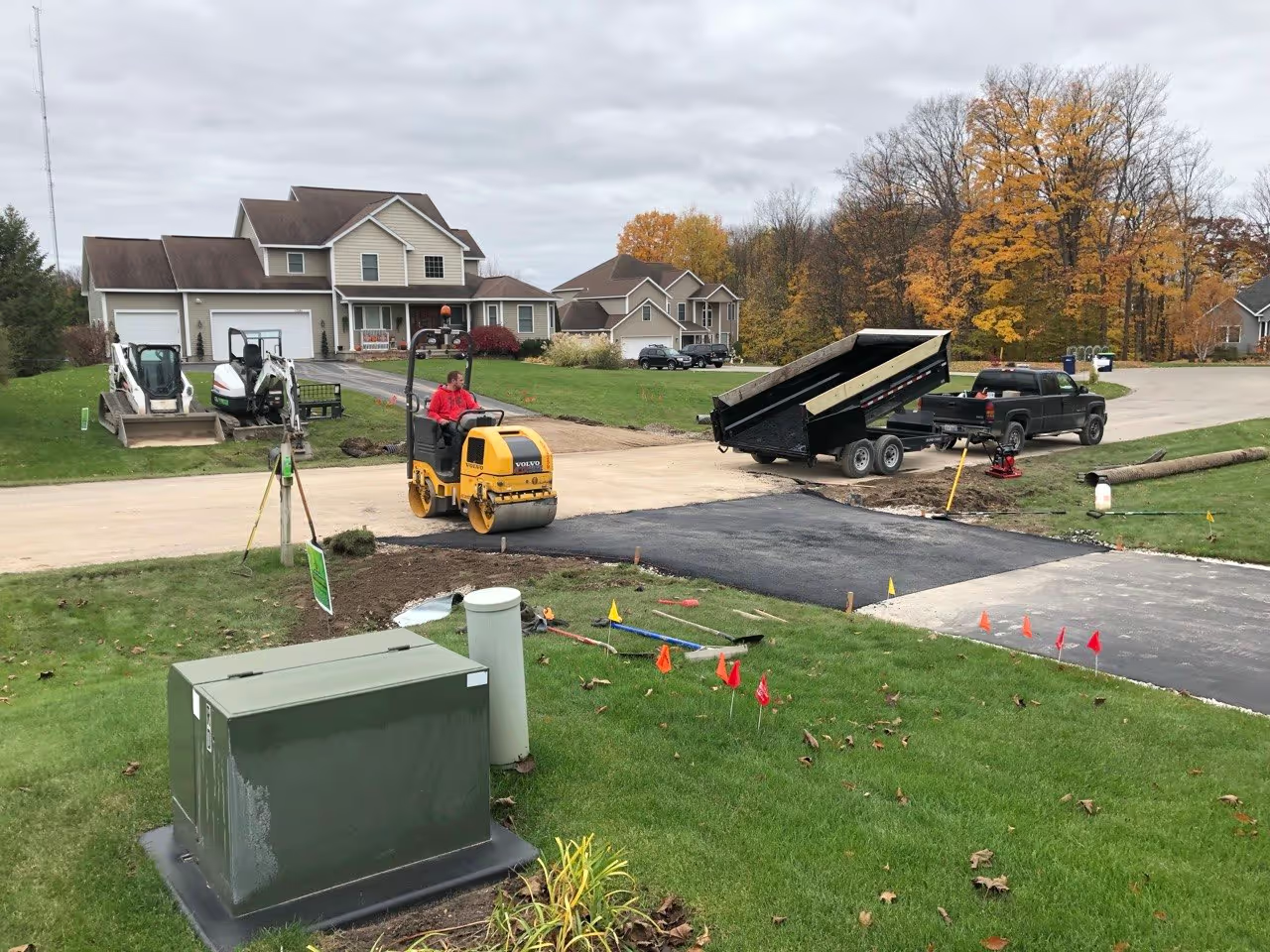
For asphalt driveways, that means patching and restoring the crossing area. For gravel driveways, it means rebuilding the entrance to create a smoother, stronger finished result.

Step 7
Re-Shape Drainage
Around the Entrance

Where needed, we correct the surrounding drainage path so water flows where it should instead of collecting at the driveway or washing around the crossing again.
Why Fixing the Asphalt Alone Does Not Solve the Problem

This is one of the biggest mistakes homeowners can make with a failing driveway culvert.

If the asphalt is sinking, cracking, or humping over the crossing, the problem is usually not just the asphalt. The problem is usually the pipe below, the support around it, or the water movement through the entrance.

That means patching the surface without addressing the failed culvert is often only a temporary cosmetic fix. The dip usually comes back. The hump usually returns. The cracking usually continues. The water problem stays.

The long-term solution is to correct the drainage crossing first, then restore the surface above it.

✅ Why Replacing a Failed Culvert Early Saves Money

What may begin as a minor bump, small dip, or crack can turn into:

❌ A larger asphalt failure
A deeper sink at the entrance
❌ A worse frost-heave hump
❌ Repeated washouts
❌ Erosion around the crossing
❌ A bigger excavation and asphalt repair later

Replacing the culvert before the crossing fully breaks down is usually far less expensive than waiting until the driveway entrance has major structural damage.

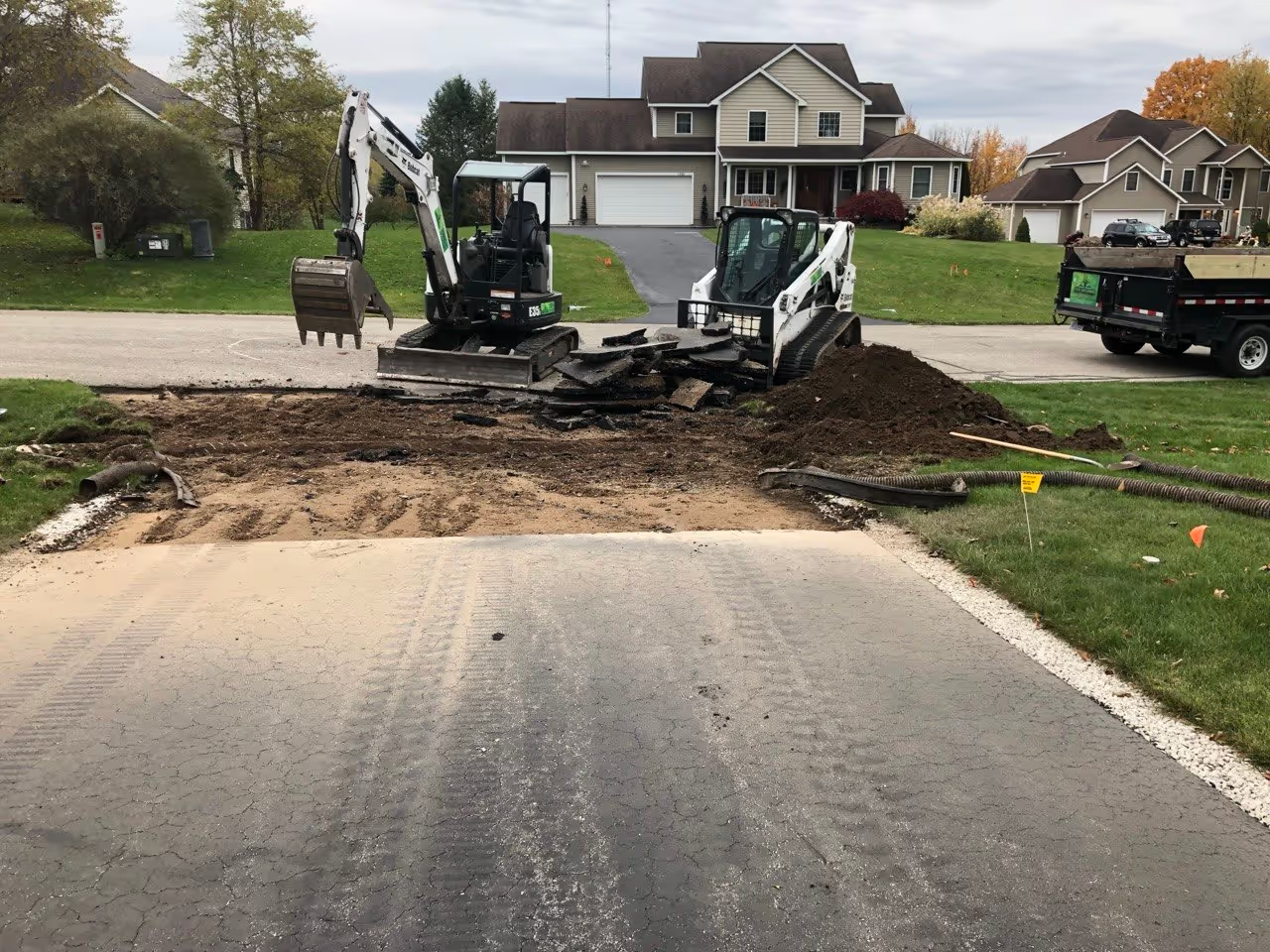
Culvert Replacement in South Creek Subdivision in Traverse City Michigan

10+
Years of experience
4.9/5
Regional Trust Rating
7K+
Asphalt Surfaces Protected
2
Year Workmanship Warranty
Asphalt sealcoating financing options in Traverse City, Michigan, showing Wisetack monthly payment plans on a smartphone next to a project invoice.

Flexible 12-Month 0% Interest Financing

We make it easier to protect your asphalt investment with 12-month 0% interest financing. You can apply right from your quote, review your options, and choose the payment plan that works best for your budget.

✔️ Apply directly from your quote
✔️ 12-month 0% interest financing
✔️ Straightforward online process
✔️ Review options before moving forward
✔️ Budget-friendly payment flexibility
✔️ Get your project completed sooner

Service Area for Residential Driveway Culvert Replacement

We provide residential culvert replacment services in Traverse City, MI and surrounding counties, including:

✔  Grand Traverse County
✔  Leelanau County
✔  Benzie County
✔  Kalkaska Couny
✔  Antrim County
✔  Wexford County
✔  Manistee County

If you are searching for driveway culvert replacement near me, failed culvert repair contractor, collapsed driveway pipe replacement, driveway pipe replacement Traverse City MI, Benzie County driveway washout repair, or Northern Michigan excavation and culvert services, our team is ready to help.

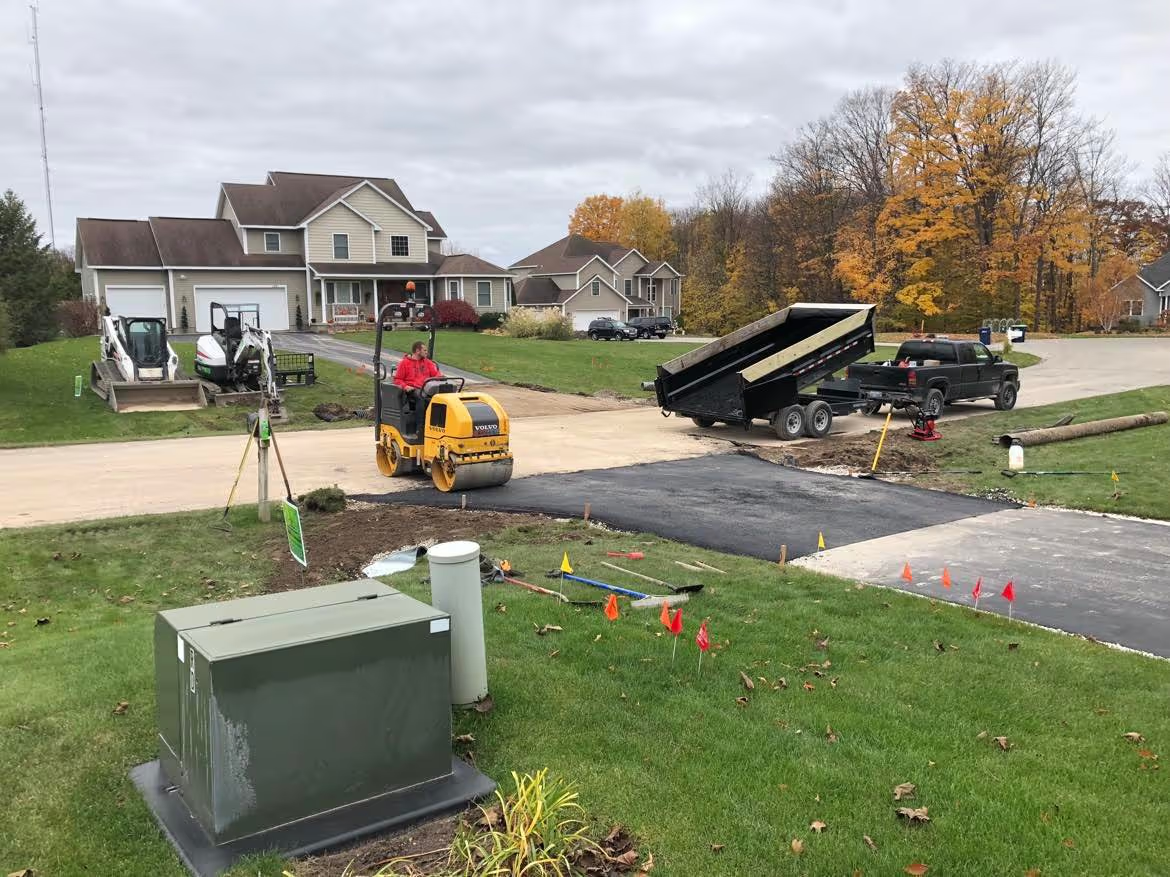
Professional residential driveway asphalt repair in the South Creek subdivision of Traverse City, MI, featuring precision hot-mix compaction.

Let’s Restore Proper Driveway Drainage and Protect Your Property Today

If your driveway entrance is sinking, cracking, heaving, washing out, or starting to feel like a speed bump over the culvert, now is the time to address it before the crossing gets worse. Grand Traverse Sealcoating & Striping provides residential driveway culvert replacement, drainage repair, excavation, and asphalt restoration throughout Traverse City and Northern Michigan.

Contact us today to request a quote for driveway culvert replacement, sinking driveway repair, heaved driveway crossing repair, washout repair, or asphalt patching after culvert replacement.

Frequently Asked Questions About Residential Driveway Culvert Replacement

Investing in driveway culvert replacement should not be a guessing game. We’ve compiled the most common questions from property owners across Northern Michigan to help you make the best decision for your driveway, private road, drainage crossing, or property access point.

Why is my driveway sinking over the culvert?

Usually because the pipe below has failed, shifted, collapsed, or lost support. As the material around it washes out or settles, the driveway above begins to sink.

Why is there a hump or “speed bump” in my driveway at the road?

That often happens when frost, trapped water, culvert movement, or poor support below the crossing causes the driveway to heave upward.

Can a bad culvert cause asphalt to crack?

Yes. When the culvert below starts failing, the asphalt above often begins to crack because the support under the crossing is no longer stable.

What causes standing water at a driveway entrance?

Standing water is usually caused by a clogged, collapsed, undersized, or poorly draining culvert, or by grading issues around the crossing.

Can a clogged driveway culvert just be cleaned out?

Sometimes. If the pipe is still structurally sound, cleaning may help. If it is rusted out, collapsing, undersized, or already causing driveway failure, replacement is usually the better solution.

What causes a driveway washout near the culvert?

Washouts usually happen when the culvert is not carrying water properly and runoff starts eroding around the driveway entrance instead of flowing through the pipe.

What is the best pipe for a residential driveway culvert?

That depends on the driveway and the site. Common choices include HDPE and galvanized metal, but the right size and proper installation matter just as much as the material.

Can you patch the asphalt after replacing the culvert?

Yes. If an asphalt driveway needs to be opened for the culvert repair, the crossing can be restored after the new pipe is installed.

Is replacing a failed driveway culvert worth it?

Yes. A failed culvert can keep damaging the driveway, worsening drainage, and turning a smaller entrance problem into a much larger repair.

How much does driveway culvert replacement cost in Michigan?

The cost depends on pipe size, material, excavation, driveway type, drainage conditions, access, and how much surface restoration is needed above the crossing. The best way to price it accurately is with a site-specific quote.

What are the signs my driveway culvert needs to be replaced?

Common signs include sinking asphalt, a raised hump over the crossing, standing water, repeated washouts, visible pipe failure, erosion around the ends, and sinkholes or soft spots near the entrance.