





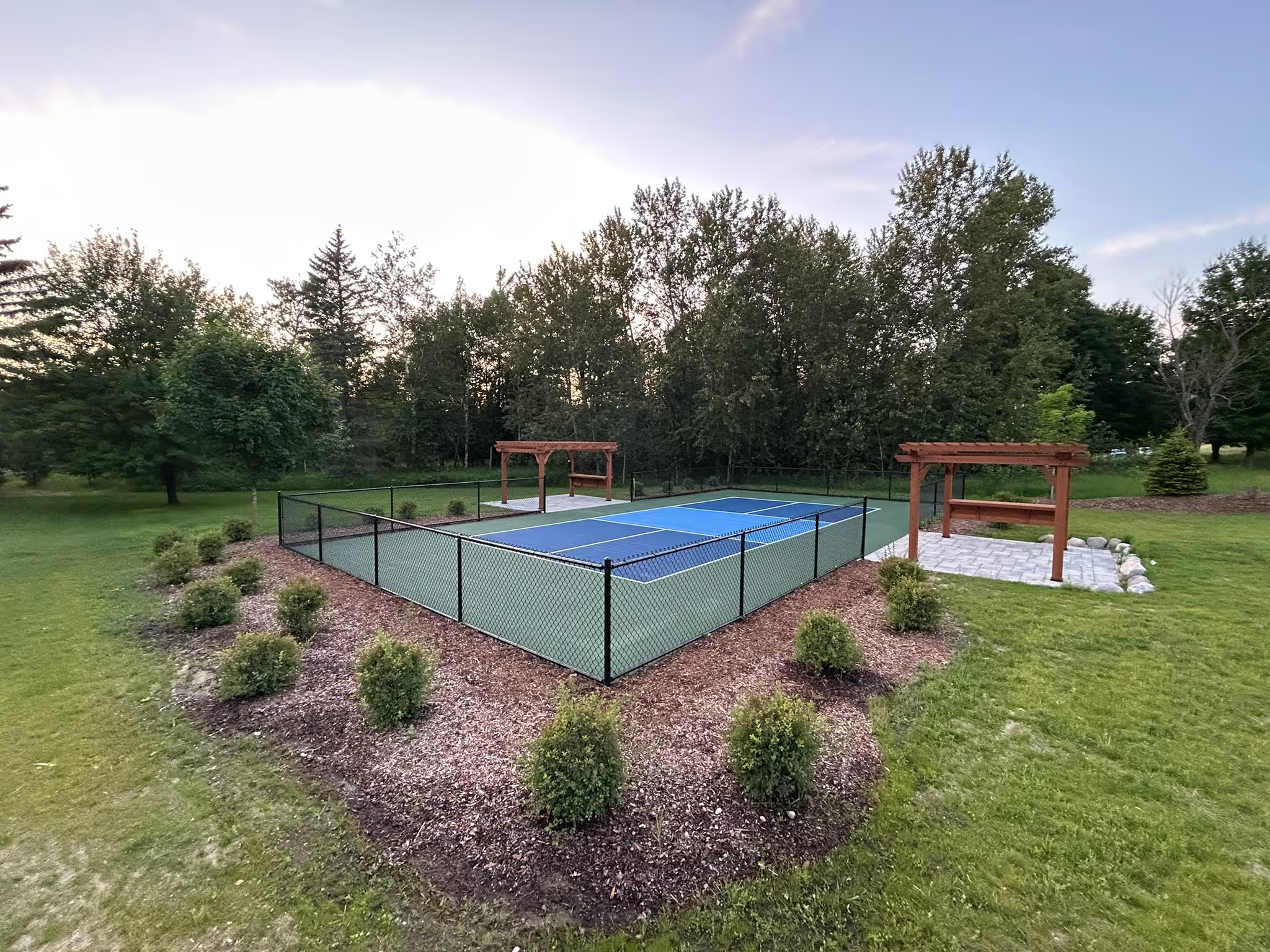
Our Pickleball Court Resurfacing Process
If the existing court coating is loose, peeling, or failing, we remove those problem areas using specialized grinders, sanders, and scraping tools. This creates a cleaner, more stable surface so the new repair materials, resurfacer, and coatings can bond properly.
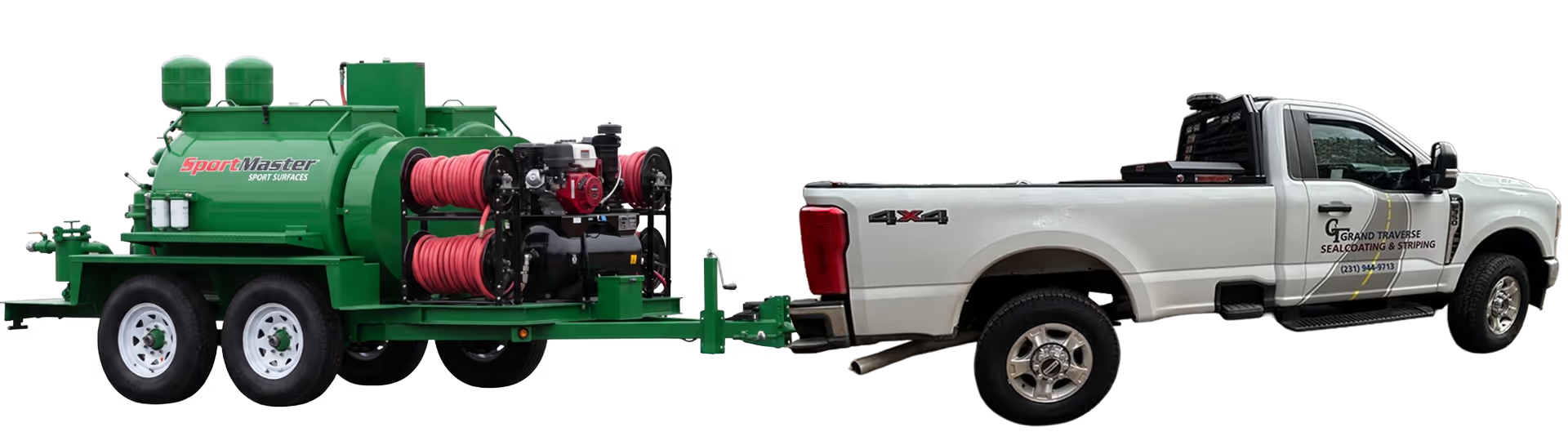
The court is pressure washed using professional surface-cleaning equipment and court-safe cleaning solutions to remove dirt, debris, mildew, loose material, and contaminants from the surface and cracks.
We inspect the court surface for cracks, worn areas, drainage issues, surface damage, and low spots. When needed, we flood the court with water to locate “birdbaths,” then mark those areas so they can be properly repaired before resurfacing.
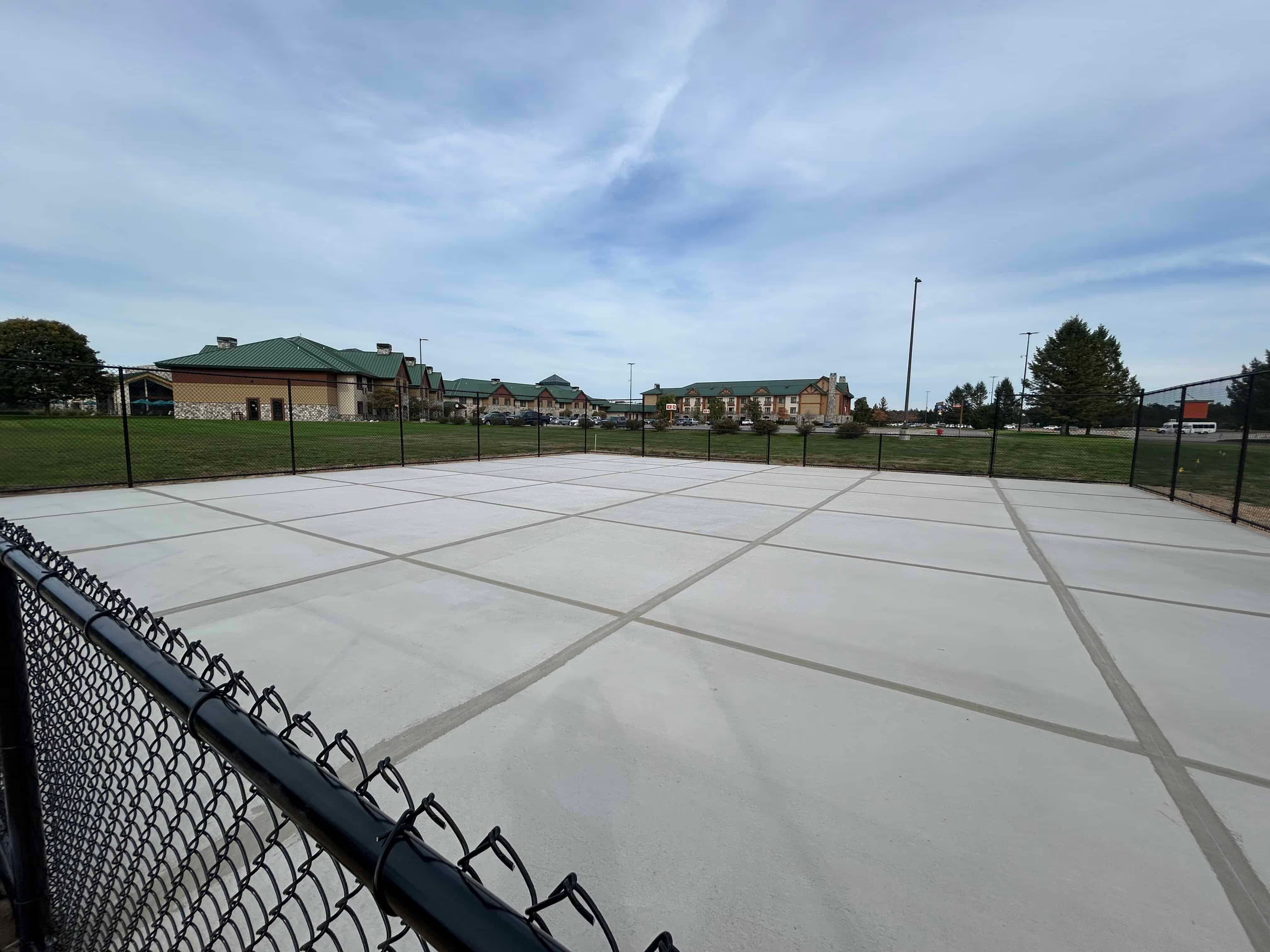
Cracks and surface imperfections are repaired using a specialized blend of Portland cement, acrylic patch binder, and fine-grade silica sand. If fiberglass crack repair is selected, that system is installed after the crack is properly filled and prepared.
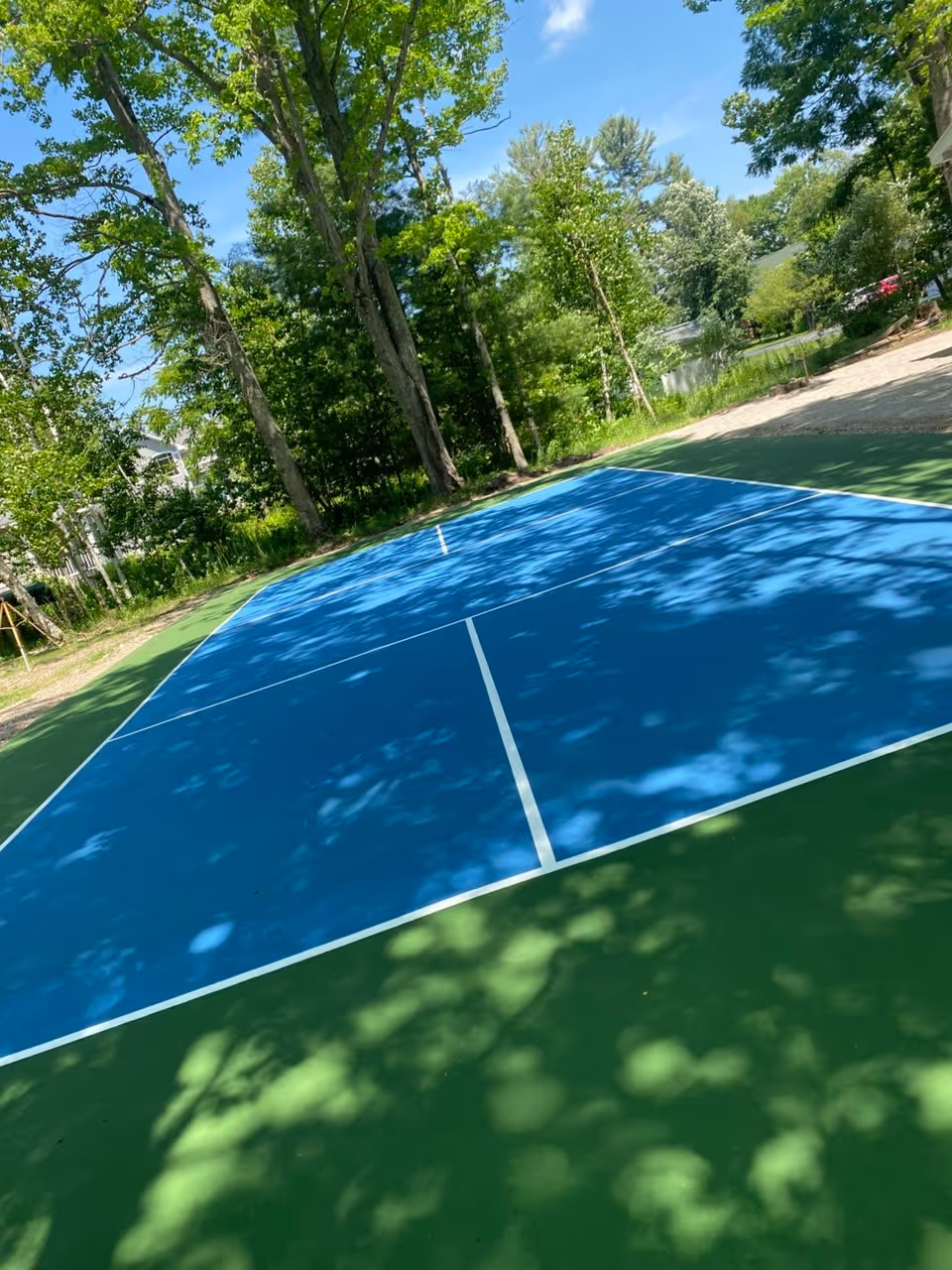
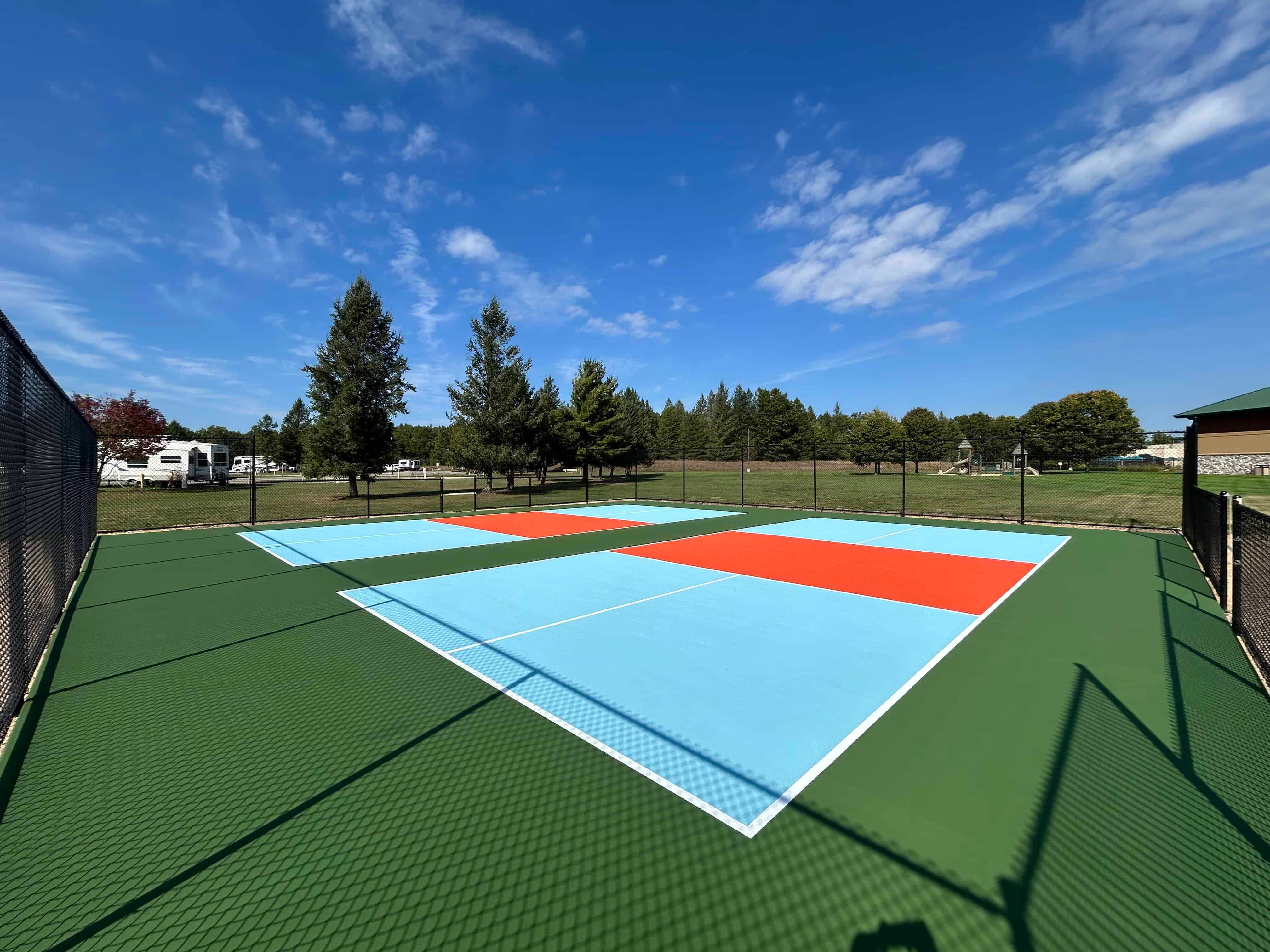
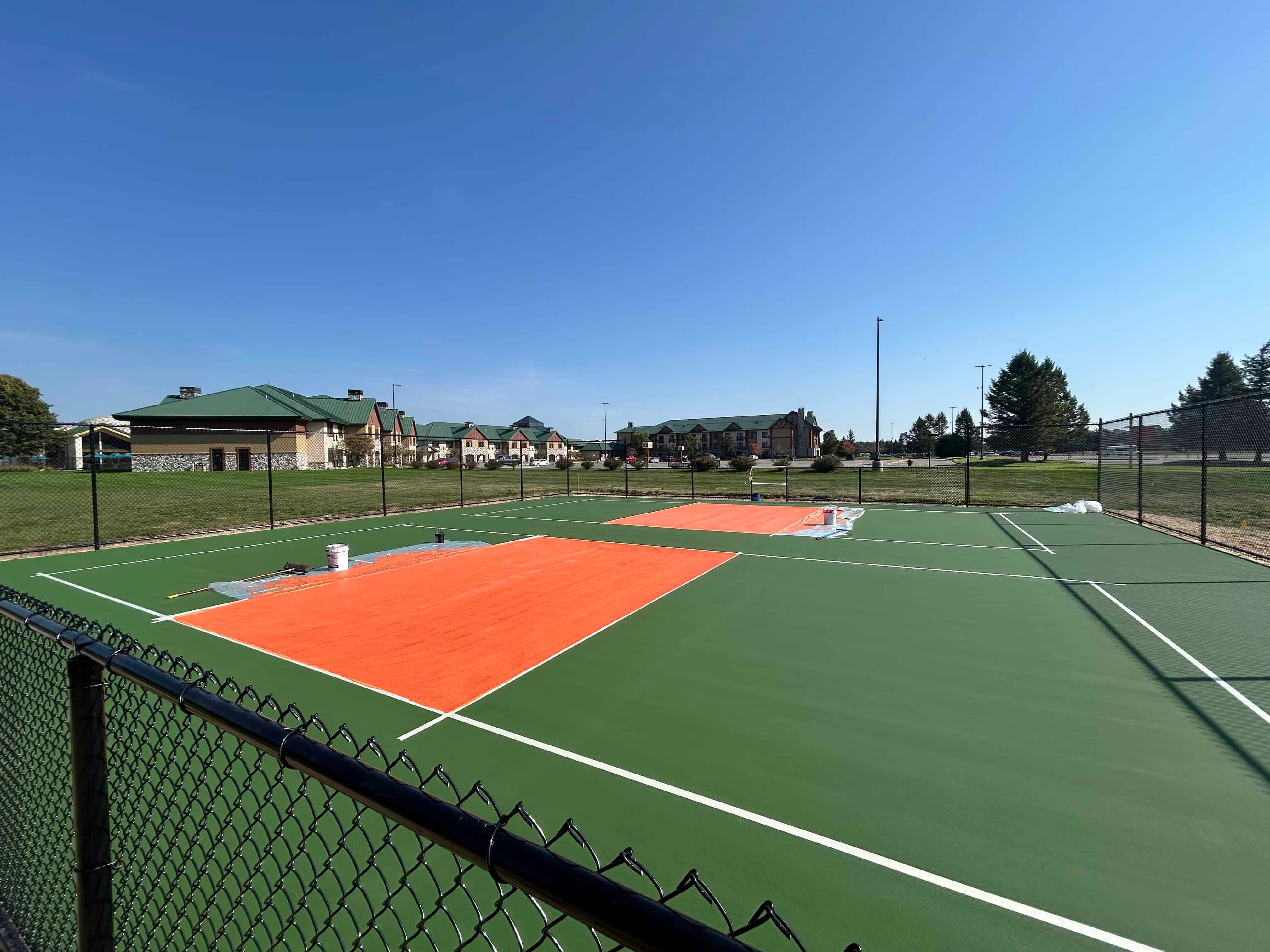
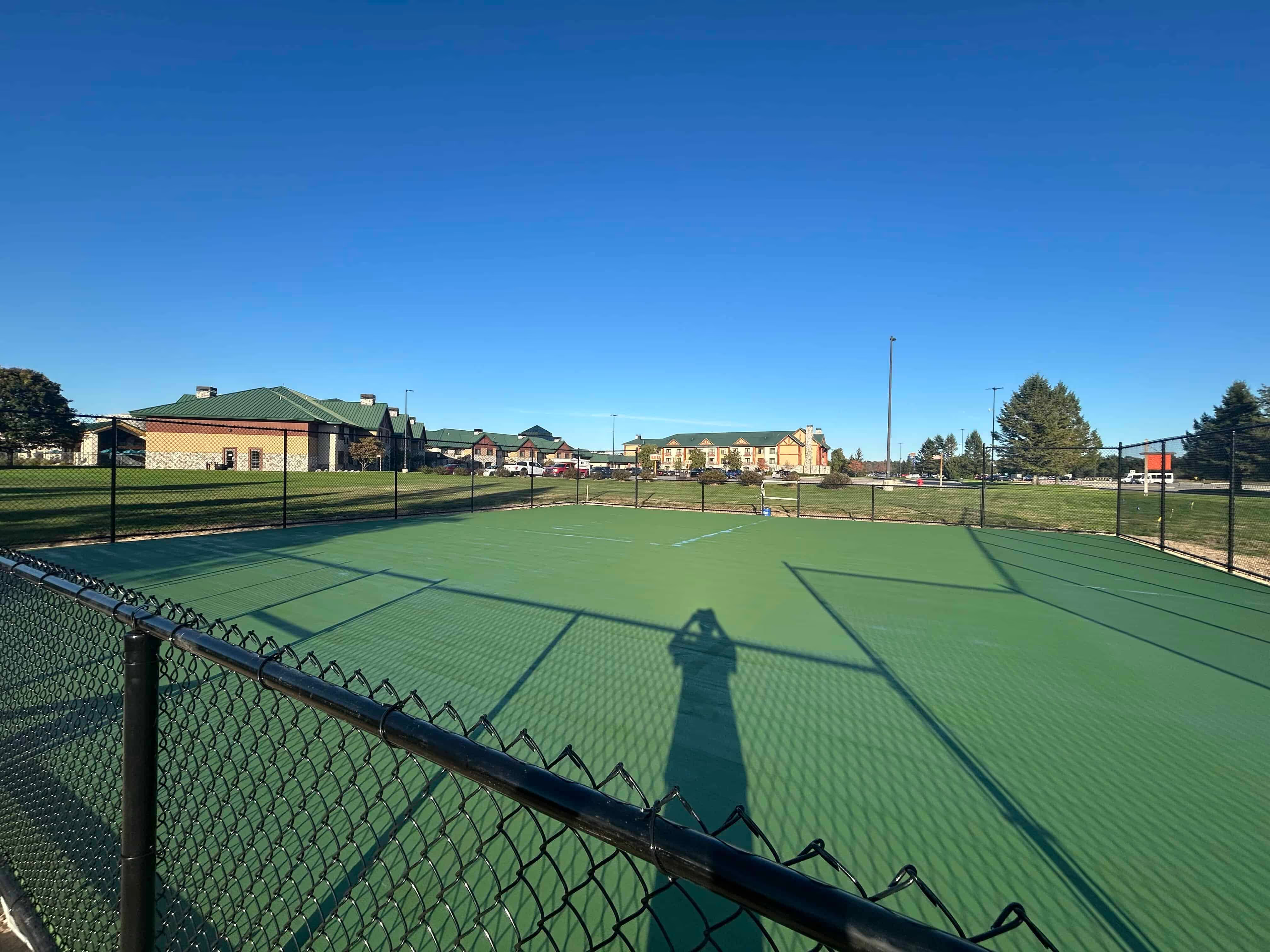
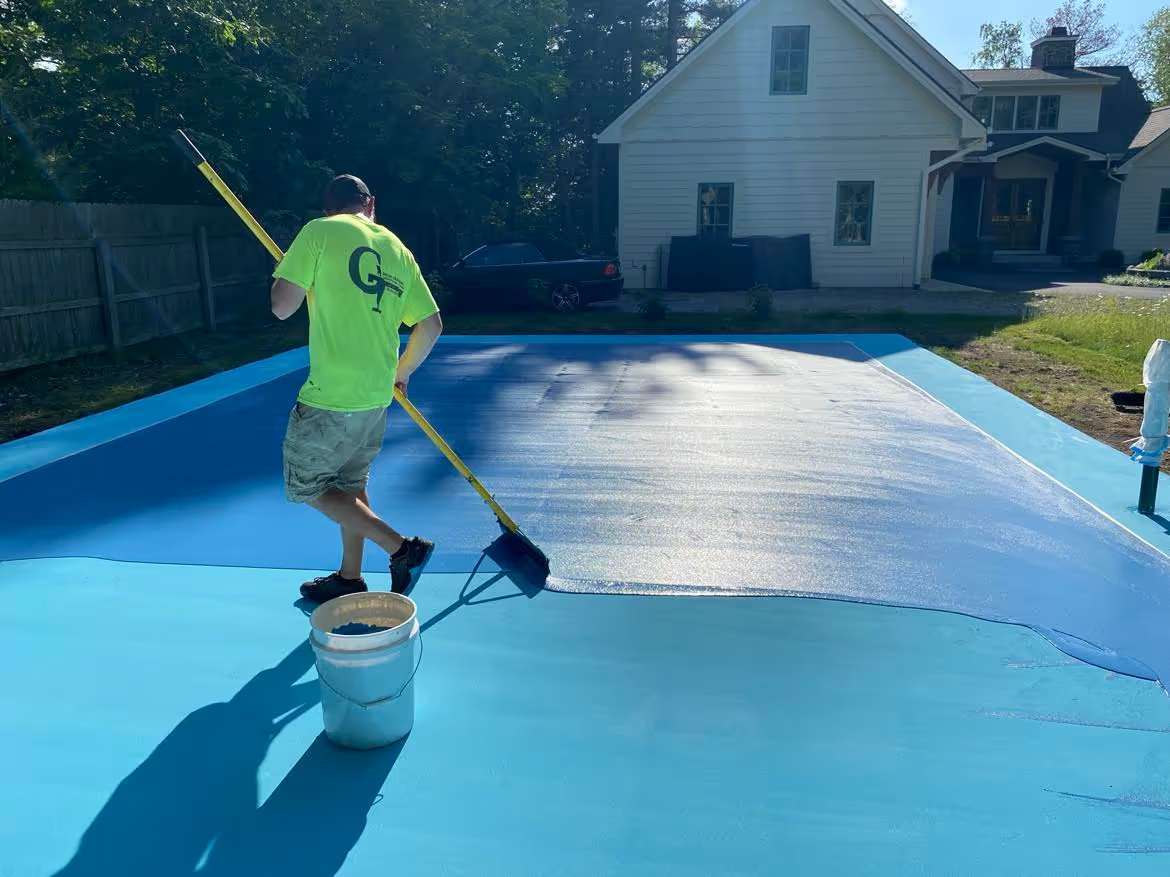
We apply 1 to 3 coats of acrylic resurfacer, depending on the condition of the court. If a cushion system is selected, we then apply 4 to 6 coats of cushion coating before finishing with 2 coats of each color coating. This helps restore surface texture, improve comfort and playability, reduce surface impact, and bring the court color back to life.
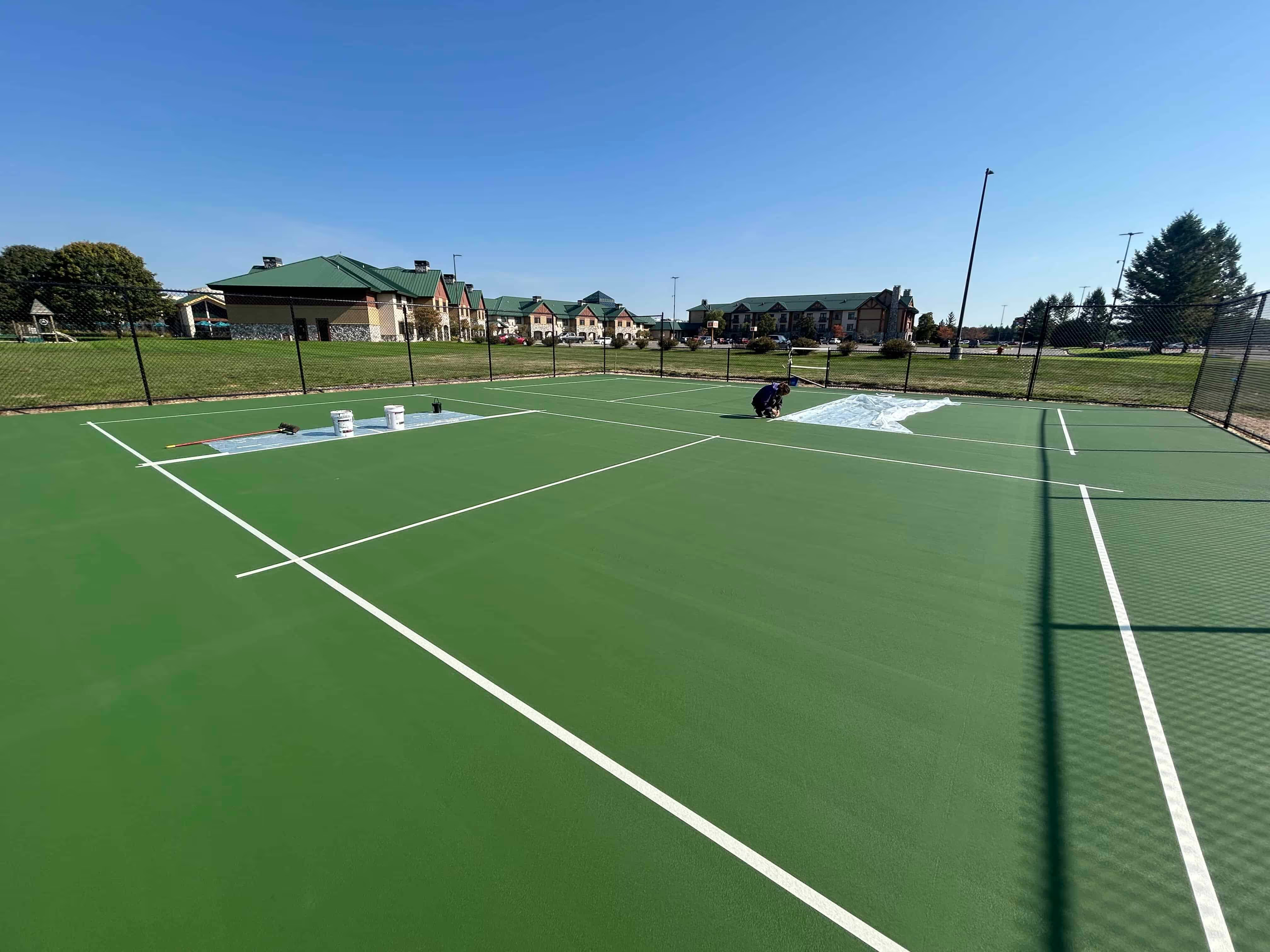
Once the coating system is complete, we lay out the court lines using a professional taping machine to ensure clean, straight lines. We then apply 1 coat of line primer and 2 coats of line paint before removing the tape to reveal a sharp, professional finish.








.svg)